
Channel Loyalty Platform Provider Guide


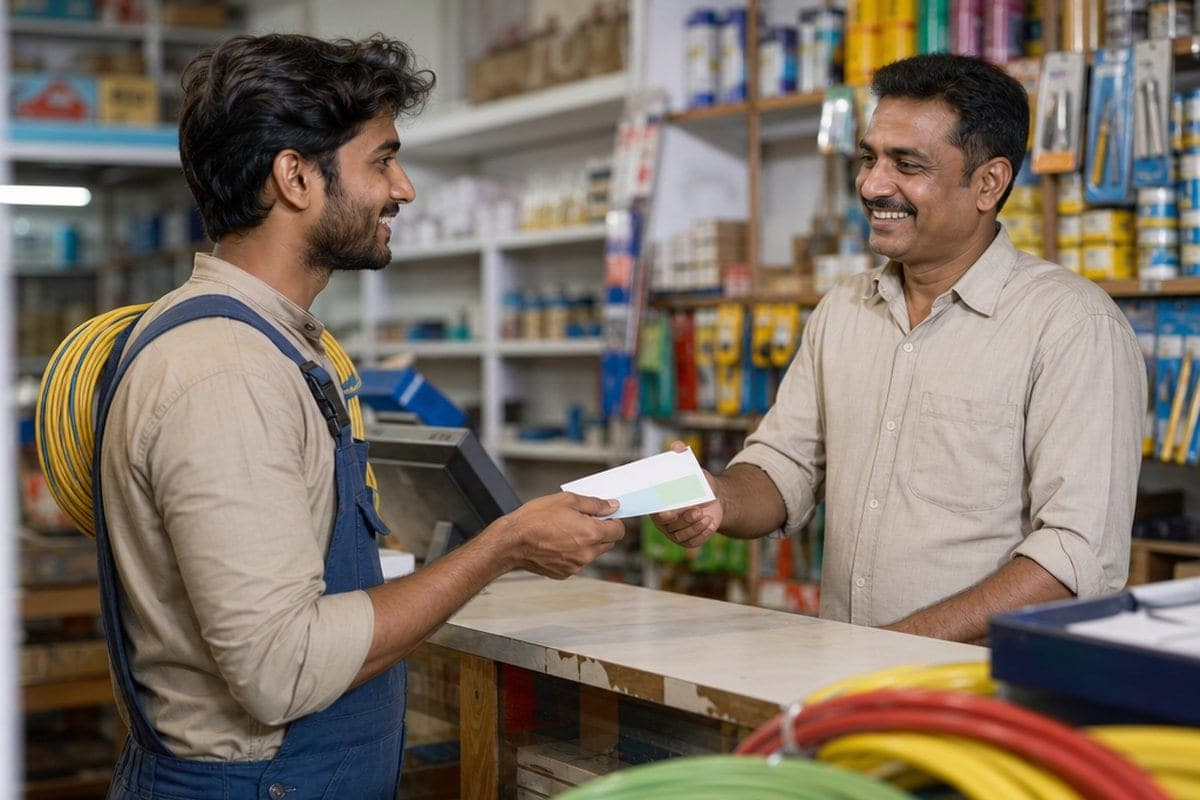
For businesses that rely on a network of channel partners—distributors, dealers, retailers, and agents—a motivated and engaged partner ecosystem is the foundation of sustainable growth. Yet many brands find that their channel loyalty programs fall short. Partners disengage, rewards go unclaimed, and the program becomes an afterthought rather than a strategic driver.
The useful question is not whether a platform has a long feature list, but whether the provider can connect partner data, claims, rewards, communication, support and reporting into a reliable operating model.
In this post, we break down why channel loyalty programs struggle, what loyalty platform providers bring to the table, and how brands can make a strategic shift to get real results from their partner networks.
This guide focuses on platform-provider evaluation. For program design and launch, read the channel loyalty program guide. For the broader operating model, see channel loyalty solutions. For B2B audience models and measurement, read the B2B loyalty guide.
Why Channel Loyalty Programs Fall Short
1. One-Size-Fits-All Rewards No Longer Work
A high-volume regional distributor and a neighbourhood retailer operate in vastly different environments. They have different sales volumes, different motivations, and different expectations from a loyalty program. Treating them with the same reward structure and engagement approach leads to disengagement on both ends.
What is missing: Segmentation by partner type, geography, and performance tier, with personalised incentives tailored to each group.
2. Delayed Data and Manual Processes
Many traditional loyalty programs rely on periodic manual updates. If a sales representative makes a breakthrough today, it might take weeks for the data to be reflected and even longer for the incentive to arrive. This delay erodes trust and motivation.
What is missing: Real-time integration with sales data, automated validation, and transparent dashboards that let partners see their progress instantly.
3. Reward Fatigue and Low Engagement
Generic points and one-dimensional gift catalogues have lost their appeal. When every brand offers the same type of rewards, partners stop paying attention. The program blends into the background rather than standing out as a reason to prioritise your brand.
What is missing: Personalisation, choice, and gamified engagement to keep the program fresh and exciting.
4. Lack of Emotional Connection
Channel partners are rarely exclusive to one brand. The retailer selling your electronics is likely also selling a competitor's products. If your brand fails to build an emotional connection—recognising their efforts, celebrating milestones, and making them feel valued—you risk losing their mindshare to a competitor who does.
What is missing: Consistent engagement, recognition, and communication that goes beyond transactional incentives.
5. Complicated Claim Processes
A loyalty program is only as good as its execution. When the claim process is convoluted—requiring multiple steps, paperwork, or long wait times—partners simply stop participating. Simplicity in claiming rewards is one of the strongest predictors of program success. Learn more about common loyalty program challenges and how to overcome them.
What is missing: Seamless digital experiences, mobile accessibility, and instant or near-instant reward fulfilment.
How Loyalty Platform Providers Bridge the Gap
1. Advanced Partner Segmentation and Personalisation
Modern loyalty platform providers enable brands to segment their partner base by geography, sales volume, product category, and engagement level. This means a top-performing distributor in a metro city receives a different reward trajectory and communication cadence than a new rural retailer.
With segmentation in place, brands can:
- Create tiered reward structures that motivate partners at every level to progress
- Offer personalised reward catalogues where partners choose what matters to them—digital vouchers, UPI transfers, experiential rewards, or merchandise
- Run targeted campaigns for specific partner groups based on seasonal demand or product launches
Explore how tiered loyalty programs can drive better partner performance across segments.
2. Real-Time Data Integration and Transparency
A comprehensive loyalty platform connects with your existing ERPs, CRMs, and sales data systems to pull real-time information. This enables:
- Instant reward triggers: As soon as a sale is validated, the partner sees their points or incentive credited
- Transparent leaderboards: Partners can see where they stand relative to their peers, fuelling healthy competition
- Automated validation: No more manual spreadsheet reconciliation or delayed approvals
Access to a centralised, open dashboard creates transparency. Transparency, in turn, creates trust—and trust is the bedrock of any lasting partner relationship.
3. Mobile-First Experiences
India has a massive and growing smartphone user base, and the vast majority of channel partners rely on their mobile phones for communication and business tasks rather than laptops or desktops. A loyalty platform that prioritises mobile accessibility ensures partners can:
- Track their progress and rewards in real time
- Submit claims with a few taps
- Participate in campaigns and contests on the go
- Access support and training materials from anywhere
This mobile-first approach removes friction and makes participation effortless, which directly impacts engagement rates.
4. Gamification and Engagement Mechanics
The best loyalty platform providers go beyond simple earn-and-burn models. They introduce gamification elements—challenges, badges, streaks, and surprise rewards—that keep the program dynamic and engaging. When a partner logs in not just to check points but to see if they have unlocked a new achievement, you know the program is working.
What Brands Need to Do Differently
Choosing the right loyalty platform provider is essential, but brands also need to shift their internal approach to get the most from the partnership.
- Build relationships, not just transactions: Move beyond rewarding purchases alone. Celebrate partner milestones, highlight success stories, and create brand advocates rather than simple salespeople. Recognition and consistent communication go a long way in building emotional loyalty.
- Align loyalty with broader channel goals: A loyalty program should not operate in isolation. It must connect with training, certification, product knowledge, and service support initiatives. Consider offering training-based incentives, feedback loops, and co-branded marketing opportunities alongside standard rewards.
- Iterate and evolve continuously: A loyalty program is not a "set and forget" activity. The brands that see the best results measure performance regularly, adapt their programs based on data, and refresh campaigns with new formats and creative ideas. Learn from the insights in channel loyalty solutions to stay ahead.
- Choose a provider with deep channel expertise: A generic loyalty platform may check the technology boxes, but a provider with hands-on channel experience understands the nuances of distributor relationships, dealer dynamics, and retailer engagement on the ground. This is where the depth of experience matters. Explore the key factors in choosing a loyalty program provider.
The Business Impact of Getting Channel Loyalty Right
When a loyalty platform provider helps you fix the gaps in your channel program, the downstream effects are significant:
- Improved market penetration: Engaged partners push your products more actively, opening new markets and customer segments
- Faster new product adoption: Partners who trust your brand and feel valued are more willing to stock and promote new launches
- Consistent sales performance: Motivated partners deliver steadier revenue rather than sporadic spikes tied to promotional periods
- Reduced partner churn: When partners feel recognised and fairly rewarded, they stay loyal to your brand over competitors
- Stronger competitive advantage: A well-run loyalty program becomes a differentiator that competitors find hard to replicate
Conclusion
Channel loyalty challenges are not a dead end—they are a signal that it is time to evolve. The traditional approach of generic rewards and manual processes no longer meets the expectations of modern channel partners. Loyalty platform providers that combine technology, personalisation, real-time data, and mobile-first design are helping brands transform their partner programs from cost centres into genuine growth engines.
Key Takeaways:
- One-size-fits-all loyalty programs drive disengagement—partner segmentation and personalisation are essential
- Real-time data integration and transparent dashboards build trust and motivation across the partner network
- Mobile-first, frictionless experiences directly improve participation and claim rates
- Gamification and emotional engagement keep programs dynamic and top-of-mind for partners
- Brands must align loyalty programs with broader channel goals and iterate continuously for lasting results
The brands that will thrive are those willing to embrace modern loyalty platforms, partner with providers who understand the channel deeply, and commit to building genuine relationships with their partner ecosystem.
