
Field Training for In-Store Sales Teams
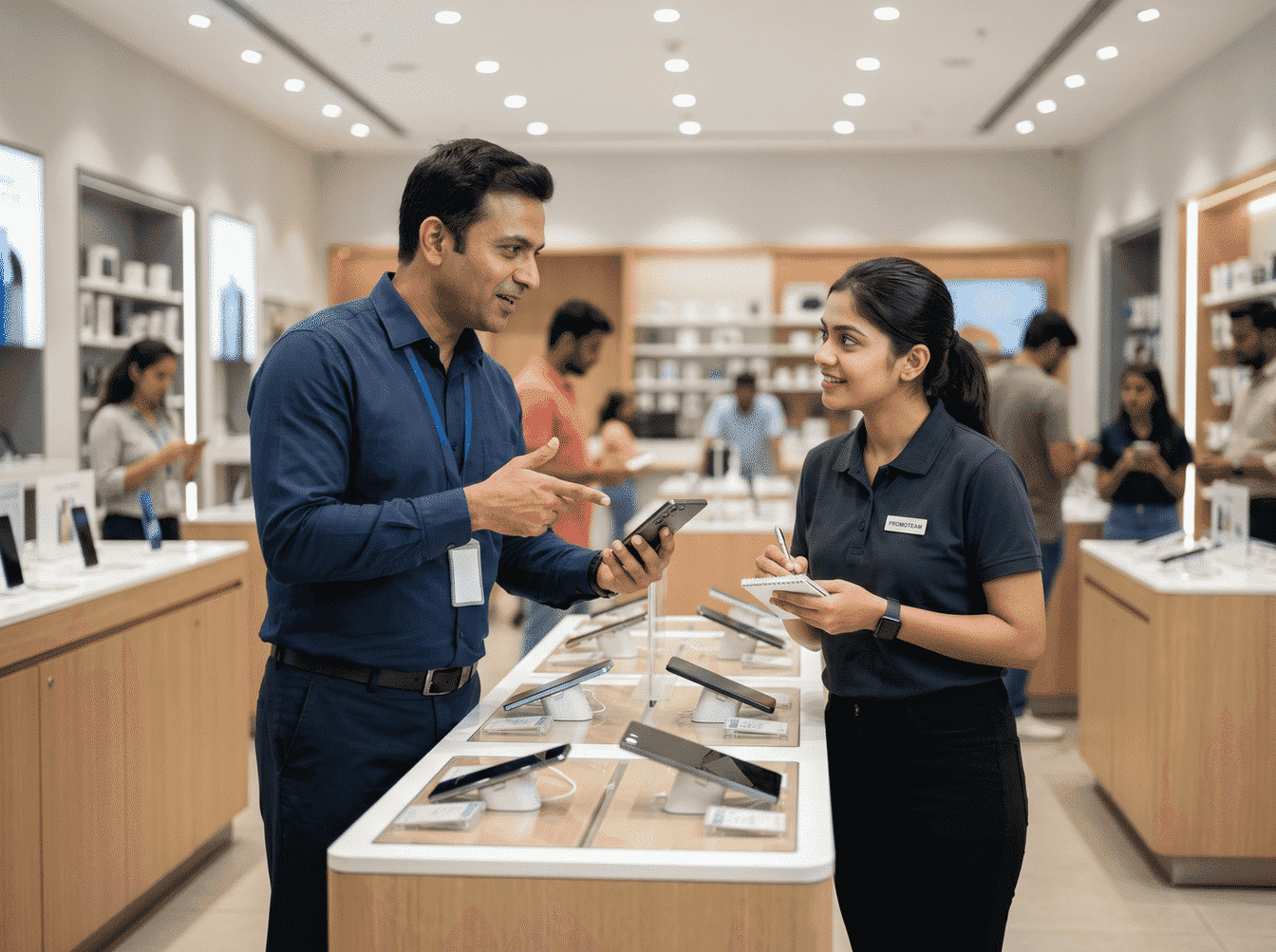
Channelplay delivers one-on-one field training for promoters, counter sales staff, and retail-facing sales teams. Also referred to in many businesses as route training, this model sends a trainer into the field to coach each salesperson inside real stores on product knowledge, demos, objection handling, and selling discipline.
Trusted by Leading Brands






















































































Our Field Training Services
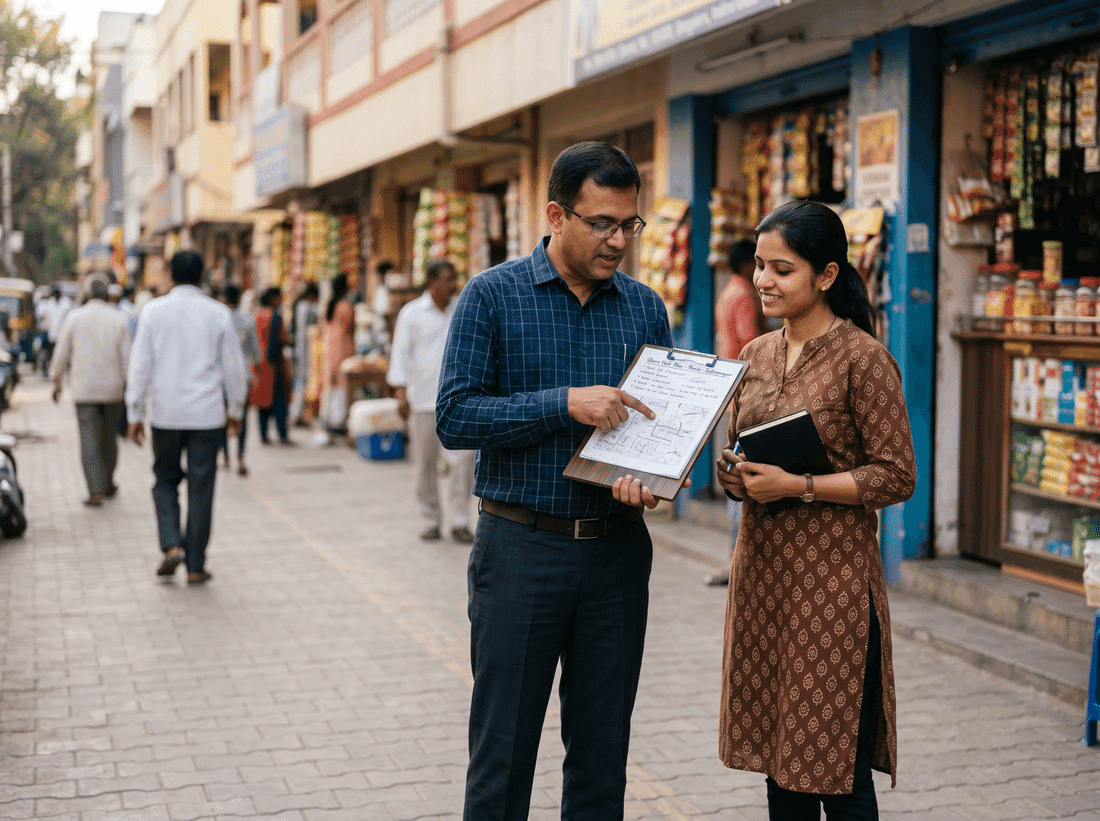
This is trainer-led, one-on-one coaching delivered in the field. A trainer travels store-to-store or route-to-route, watches the salesperson in action, and coaches them on the exact behaviours that affect conversion on the ground. The work is not just training delivery: it includes route planning, live observation, coaching logic, manager handoff, and enough tracking to know whether performance is actually improving.
It works especially well for in-store promoters and retail sales staff who need more than induction content. For group-based instruction and managed workshops, see our classroom training services; for app-led reinforcement through stories, reels, and quizzes, see the TrainGram microlearning app; and for the broader blended-learning framework, see our Training & Development practice. If you also need deployment and management of in-store promoters themselves, our in-store promoter programs guide covers the model.
Route diagnostics and coaching plan
Start with the actual route, store mix, and role expectation so coaching is tailored to the promoter or salesperson’s day-to-day reality.
Live store observation
Observe real shopper engagement, shelf conversations, demos, and counter interactions instead of relying only on role plays.
Product knowledge reinforcement
Coach the salesperson on product features, category comparisons, use cases, and the exact claims they can make with confidence.
Pitch, demo, and objection coaching
Improve opening lines, demo sequencing, shopper questioning, objection handling, and closing behaviour in the environment where they actually sell.
Manager feedback and retraining loop
Share trainer observations with supervisors so repeated gaps are followed up and corrected through the manager, not left as one-off feedback.
Readiness tracking and reporting
Track visit completion, coaching themes, improvement areas, and post-training readiness so the program can scale beyond anecdotal feedback.
The Channelplay Way
Field training fails when it becomes an isolated visit. Channelplay combines trainer observation, action planning, reporting, and digital reinforcement so the learning stays visible after the trainer leaves.
Trainer feedback tied to the actual person, store context, and shopper interaction.
Training can be planned and executed store-by-store instead of treating the whole market as one classroom batch.
Trainer observations can feed into TrainGram, assessments, and manager-led follow-up after the visit.
Why Brands Choose Channelplay for Field Training
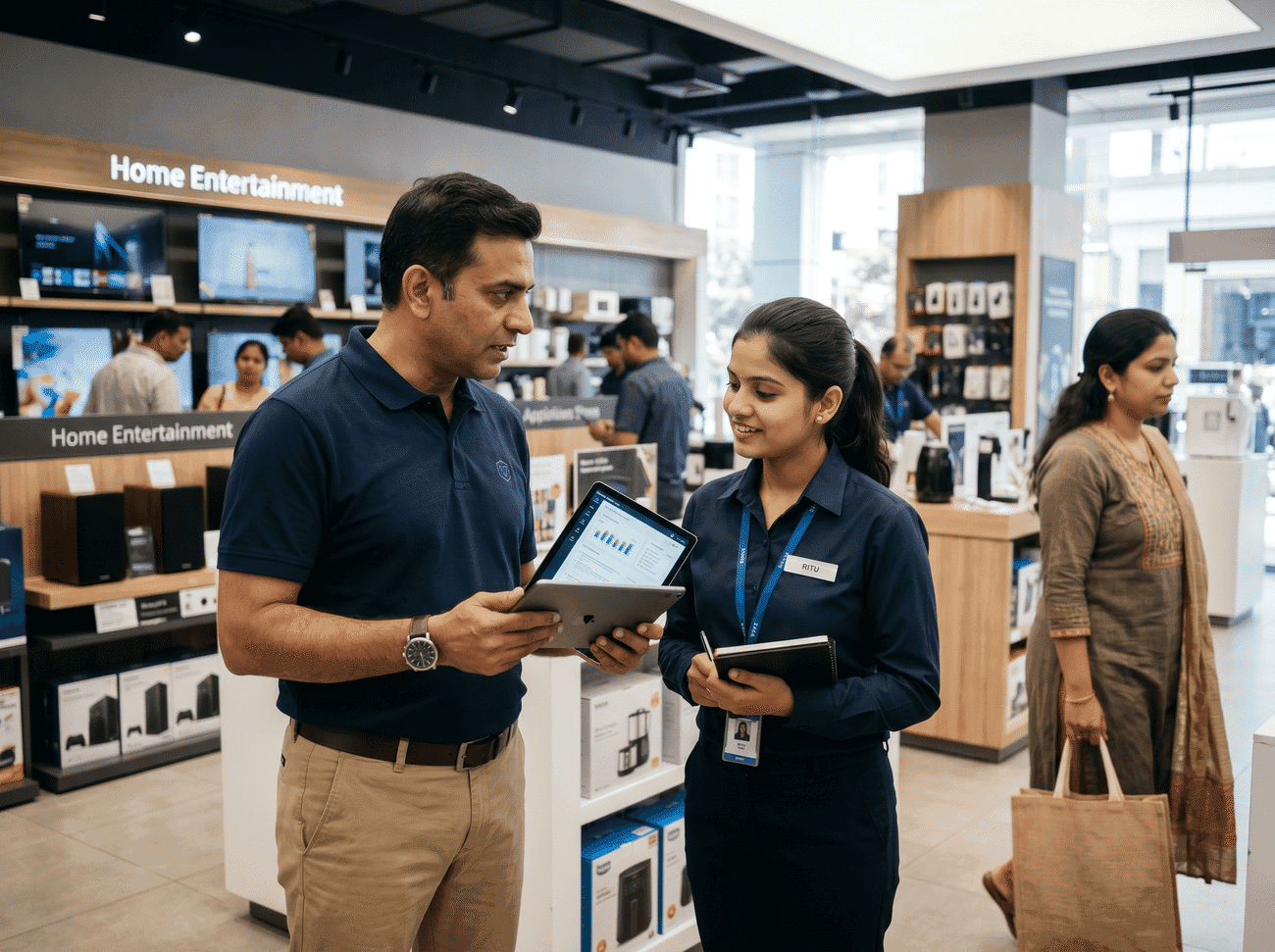
The strongest fit is any role where conversion depends on how confidently a salesperson sells, demonstrates, and guides the shopper in the store.
In-store promoters and brand promoters
Useful when promoters need stronger product pitch, demo quality, or shopper engagement inside modern trade, electronics, and specialty retail.
Counter sales staff and store advisors
Works well for sales staff who influence choice at the counter and need better questioning, recommendation, and closing discipline.
New joinees and launch teams
Helps new hires or newly launched product teams become sales-ready faster through coaching in actual stores rather than generic induction alone.
Route-based field sales programs
Suitable where a trainer needs to travel store-to-store or route-to-route, coaching each salesperson individually across a territory.
Field coaching deserves its own operating model
Classroom sessions and app-based training matter, but some selling gaps only become visible in the store. Field training exists to close that last-mile execution gap.
Why brands use field training
- Digital or classroom training does not always show whether a salesperson can perform confidently in front of a real shopper.
- Brands often need a trainer to visit stores, observe behaviour, and correct gaps in product pitch, demos, and conversion technique on the spot.
- This is especially useful for new joiners, launch teams, underperforming stores, and promoter programs where store-level selling quality matters every day.
- That is why field training is often used as a route-level intervention, not just a classroom event.
What Channelplay adds
- Trainers who coach in the store, not just in a classroom, with feedback tied to actual shopper interactions.
- Structured observation covering grooming, product knowledge, need discovery, demo discipline, objection handling, and closing behaviour.
- Route-wise action plans for both the salesperson and the line manager so the coaching does not disappear after the visit.
- Visibility into who was trained, what gaps were found, and where reinforcement or retraining is needed next.
Field Training Insights
Use these reads if you want the surrounding context on promoter deployment, sales coaching, and the blended learning model that can sit behind field visits.
 Sales Force Outsourcing
In-Store Promoter Programs Guide | Maximize Retail Sales with Brand Promoters
Complete guide to deploying in-store promoters. Learn recruitment, training, deployment strategies & ROI measurement for retail brand promoter programs.
Read more... Training & Development
Sales Training Guide: Signs Your Team Needs It Now
Discover the key signs your sales team needs training and proven strategies to boost performance. Learn how to measure and improve sales training effectiveness.
Read more... Training & Development
Workforce Training for the Field
Discover how TrainGram transforms workforce training with bite-sized, mobile-first learning built for on-the-go field teams.
Read more... Training & Development
Crafting Meaningful Women's Day Corporate Gifting Experiences in 2026
Discover thoughtful Women's Day corporate gifting ideas for 2026. From curated gift boxes to wellness hampers, create meaningful employee experiences.
Read more... Training & Development
Employee Lifecycle Management in Sales
Transform your sales operations with strategic employee lifecycle management in sales to enhance recruitment, training, and engagement
Read more... Visual Merchandising
What Is Trade Marketing? A Guide for Brands in India
Trade marketing explained for brands in India: how GT, MT and quick commerce differ, where trade spend leaks, and how to measure it at the outlet.
Read more... Sales Force Outsourcing
Complete Guide to Staffing & Recruiting Companies 2026: Types, Benefits & Selection Tips
Comprehensive guide to staffing and recruiting companies in 2026. Compare temporary, permanent, executive search firms. Learn selection criteria, costs, and latest hiring trends including remote work solutions.
Read more... Visual Merchandising
FMCG Shelf Compliance: Why Planograms Fail & How to Fix Execution at Retail (2026)
Your planogram looks perfect in the office. At the store, nobody's following it. Here's why FMCG shelf compliance fails and how outsourced merchandisers fix it.
Read more...Sales Force OutsourcingIn-Store Promoter Programs Guide | Maximize Retail Sales with Brand Promoters
Complete guide to deploying in-store promoters. Learn recruitment, training, deployment strategies & ROI measurement for retail brand promoter programs.
Read more...Training & DevelopmentSales Training Guide: Signs Your Team Needs It Now
Discover the key signs your sales team needs training and proven strategies to boost performance. Learn how to measure and improve sales training effectiveness.
Read more...Training & DevelopmentWorkforce Training for the Field
Discover how TrainGram transforms workforce training with bite-sized, mobile-first learning built for on-the-go field teams.
Read more...Training & DevelopmentCrafting Meaningful Women's Day Corporate Gifting Experiences in 2026
Discover thoughtful Women's Day corporate gifting ideas for 2026. From curated gift boxes to wellness hampers, create meaningful employee experiences.
Read more...Training & DevelopmentEmployee Lifecycle Management in Sales
Transform your sales operations with strategic employee lifecycle management in sales to enhance recruitment, training, and engagement
Read more...Visual MerchandisingWhat Is Trade Marketing? A Guide for Brands in India
Trade marketing explained for brands in India: how GT, MT and quick commerce differ, where trade spend leaks, and how to measure it at the outlet.
Read more...Sales Force OutsourcingComplete Guide to Staffing & Recruiting Companies 2026: Types, Benefits & Selection Tips
Comprehensive guide to staffing and recruiting companies in 2026. Compare temporary, permanent, executive search firms. Learn selection criteria, costs, and latest hiring trends including remote work solutions.
Read more...Visual MerchandisingFMCG Shelf Compliance: Why Planograms Fail & How to Fix Execution at Retail (2026)
Your planogram looks perfect in the office. At the store, nobody's following it. Here's why FMCG shelf compliance fails and how outsourced merchandisers fix it.
Read more...FAQs About Field Training
These are the questions brands usually ask when evaluating trainer-led, in-route coaching for promoters and retail sales staff.
What is field training in a sales context?
Field training is trainer-led coaching delivered on the job, usually in stores or along a route. Instead of training only in a classroom, the trainer observes live selling situations, corrects behaviour in the moment, and reinforces both product knowledge and selling skills where the salesperson actually works.
Is field training the same as route training?
In many organisations, yes. Route training usually means a trainer travels store-to-store or territory-to-territory with the salesperson, coaching them one-on-one on live visits. The operating idea is the same: training in the field rather than away from it.
When should a brand use field training instead of classroom training?
Use field training when the issue is execution quality in real stores: weak demos, poor shopper engagement, inconsistent product pitch, low conversion, or uneven store discipline. Classroom training is useful for broad instruction; field training is better when behaviour must change on the floor.
Who is field training best suited for?
It is especially useful for in-store promoters, counter sales advisors, retail sales staff, and route-based field teams who need stronger product knowledge, demo discipline, and selling confidence in front of customers.
What happens during a field training visit?
A typical visit includes observation of live selling behaviour, review of store setup and reporting discipline, coaching on product pitch and objections, corrective feedback in the moment, and a post-visit action plan for the salesperson and manager.
How do you measure whether field training worked?
Measure it through visit-level assessments, manager feedback, repeat observation scores, product knowledge checks, demo quality, shopper engagement quality, and downstream metrics such as conversion, store-level sales, or compliance improvement where applicable.
Can field training be combined with digital reinforcement?
Yes. That is usually the strongest model. Field visits fix live execution behaviour, while microlearning, virtual refreshers, and quizzes keep the learning active between trainer visits.
