
Signage Deployment Checklist: From Site Survey to Installation


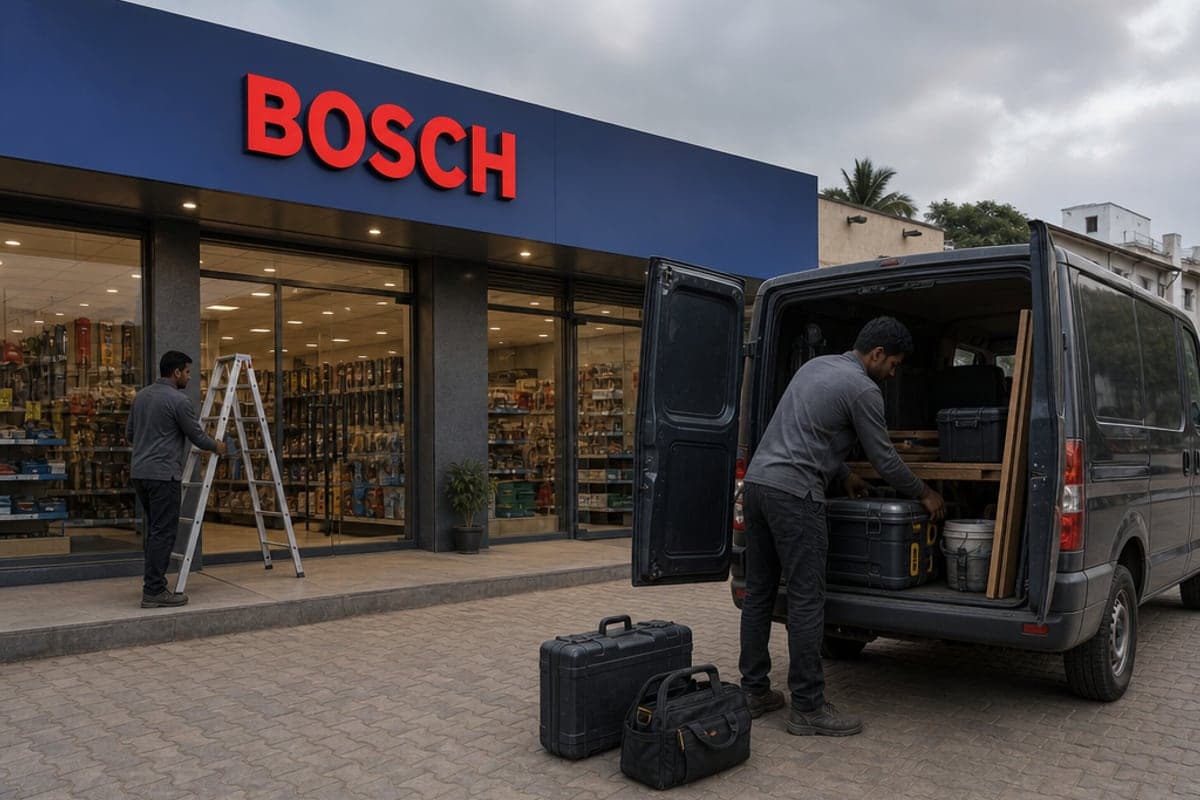
A successful signage rollout involves far more than fabrication and installation. It requires careful planning, coordination across multiple teams, and a structured process to ensure quality and consistency at every location. Whether you are deploying signage at 10 stores or 1,000, having a clear checklist prevents costly mistakes, reduces delays, and ensures your brand looks exactly as intended at every touchpoint.
This guide walks through each stage of the signage deployment process - from initial planning through post-installation handover - so your team can execute with confidence.
Step 1: Pre-Deployment Planning
Every signage project begins with planning. This stage sets the foundation for everything that follows and is where most avoidable mistakes originate.
- Define the scope: Identify the number of locations, signage types required at each location, and the timeline for completion. A clear scope document prevents scope creep and helps all stakeholders align on expectations.
- Establish brand guidelines: Document the exact specifications for each signage type - dimensions, materials, colors (with Pantone codes), fonts, logo placement, and illumination requirements. These guidelines serve as the reference standard throughout the project.
- Set the budget: Work with your deployment partner to finalize a rate card that covers fabrication, logistics, installation, and any permit-related costs. Build in a contingency buffer of 10-15% for unforeseen site conditions.
- Assign roles and responsibilities: Clarify who approves designs, who coordinates with store managers, who handles municipal permits, and who signs off on quality. Ambiguity in roles leads to delays.
- Create a master timeline: Map out key milestones - site survey completion, design approval deadline, fabrication start and end dates, shipping windows, and installation dates. Share this timeline with all stakeholders.
Step 2: Site Survey and Measurement
The site survey is one of the most critical steps in the process. Inaccurate measurements or overlooked site conditions are among the leading causes of installation failures.
- Physical measurements: Record the exact dimensions of the installation area - height, width, depth, and any obstructions. Measure twice. Use laser measuring tools for precision.
- Structural assessment: Evaluate the mounting surface - is it concrete, brick, glass, metal, or wood? Assess whether it can support the weight of the signage. Note any structural concerns that may require additional hardware.
- Electrical infrastructure: For illuminated signage, check the availability and location of power outlets. Note the voltage, wiring condition, and whether an electrician will be needed during installation.
- Photographs: Take comprehensive photos of the installation area from multiple angles. Include wide shots for context and close-ups for detail. These photos are essential for the design and fabrication teams.
- Municipal and landlord considerations: Note any visible restrictions - building codes, height limitations, restrictions on illuminated signs, or landlord-imposed guidelines. Document these early to avoid rework later.
- Access logistics: Assess how the installation team will access the site. Is scaffolding needed? Are there time-of-day restrictions for installation work? Is there parking for the installation vehicle?
Step 3: Design and Material Approval
Once site survey data is collected, the design phase begins. This is where brand guidelines meet real-world site conditions.
- Design mockups: Create visual mockups showing how the signage will look at the specific location. Use site photos as the backdrop to give stakeholders a realistic preview.
- Material selection: Choose materials based on the location type (indoor vs. outdoor), environmental conditions (coastal humidity, extreme heat, heavy rain), and brand requirements. Common materials include ACP (Aluminum Composite Panel), acrylic, flex, vinyl, and LED modules.
- Approval workflow: Establish a clear approval process. Typically, the brand marketing team reviews and approves the design, while the procurement team approves the material and cost. Set a deadline for approvals to keep the project on track.
- Compliance check: Verify that the design complies with local municipal regulations, especially for outdoor signage. This includes size limits, illumination rules, and permit requirements.
Step 4: Fabrication and Quality Control
Fabrication is where the design becomes a physical product. Quality control during this stage prevents costly corrections after installation.
- Vendor selection: Choose a fabrication vendor with experience in the specific signage type. Review samples of their previous work to assess quality.
- Production timeline: Agree on fabrication timelines and build in buffer days for quality checks and corrections. Rush fabrication often leads to quality issues.
- Pre-dispatch inspection: Before the signage leaves the fabrication facility, conduct a thorough inspection. Check dimensions against specifications, verify color accuracy, test illumination (for lit signage), and inspect finish quality. Document the inspection with photographs.
- Packaging: Ensure proper packaging for transit. Signage - especially acrylic and glass elements - is fragile. Use protective wrapping, corner guards, and rigid packaging to prevent damage during shipping.
Step 5: Logistics and Scheduling
Getting the signage from the fabrication facility to the installation site on time and in good condition requires careful logistics planning.
- Shipping coordination: Choose a logistics partner experienced in handling signage. Oversized or fragile items need specialized handling. Track shipments in real time to anticipate any delays.
- Installation scheduling: Coordinate installation dates with store managers, landlords, and the installation team. Confirm the installation window - many retail locations prefer installations outside business hours to minimize disruption.
- Material staging: For multi-location rollouts, plan where materials will be staged before installation. Identify local warehousing if needed, especially for phased rollouts across different regions.
- Contingency planning: Have backup plans for common disruptions - weather delays, access issues, or damaged-in-transit signage. Pre-position spare units for critical locations when possible.
Step 6: On-Site Installation
Installation day is where all the planning comes together. A structured installation process ensures the signage is mounted correctly, safely, and in line with brand standards.
- Pre-installation briefing: Before starting work, the installation team should review the site survey data, design specifications, and any location-specific notes. This briefing prevents errors and ensures the team knows exactly what is expected.
- Safety protocol: Ensure the installation team follows safety protocols - proper use of ladders or scaffolding, electrical safety for illuminated signs, and protective equipment. Safety incidents cause delays and liability issues.
- Installation execution: Mount the signage according to specifications. Verify alignment, height, and positioning before final fixing. For illuminated signage, test electrical connections and lighting before completing the installation.
- Clean-up: Remove all packaging, debris, and installation materials from the site. Leave the area in the same or better condition than before the installation.
Step 7: Quality Validation and Photo Documentation
Quality validation is the checkpoint that confirms the installation meets brand standards. Skipping this step - or doing it superficially - leads to inconsistencies that erode brand perception over time.
- Visual inspection: Check the signage for alignment, levelness, color accuracy, finish quality, and illumination uniformity. Compare the installed signage against the approved design mockup.
- Structural check: Verify that the signage is securely mounted and does not wobble, tilt, or show signs of structural weakness. Check all mounting hardware.
- Electrical check: For illuminated signage, test all lighting elements. Verify that there are no flickering LEDs, uneven illumination, or exposed wiring.
- Photo documentation: Take geo-tagged photographs of the completed installation from multiple angles - front view, side views, and detail shots. Include a timestamp. These photos serve as the quality record and proof of completion.
- Quality report: Complete a standardized quality report for each location. This report should include the inspection checklist, photos, any deviations from the specification, and the sign-off from the installation team lead.
Step 8: Post-Installation Handover
The handover marks the formal completion of the installation at each location. A structured handover process ensures accountability and provides a clear record for future reference.
- Store manager sign-off: Have the store manager or location contact inspect the installation and provide written sign-off. This confirms acceptance and identifies any immediate concerns.
- Documentation package: Provide the store with relevant documentation - warranty information, maintenance guidelines, and contact details for reporting issues.
- Maintenance schedule: Establish a maintenance schedule based on the signage type and location. Outdoor signage in harsh environments may need quarterly checks, while indoor signage may require only annual reviews.
- Issue resolution: Address any deficiencies identified during the handover inspection promptly. Track open issues and set resolution deadlines.
Conclusion
Signage deployment is a multi-stage process that requires attention to detail at every step. From the initial planning phase through site surveys, fabrication, logistics, installation, and quality validation, each stage builds on the one before it. Missing a step or cutting corners at any point can result in delays, cost overruns, or inconsistent brand representation.
Use this checklist as a framework for your next signage rollout. Whether you are managing the process internally or working with a deployment partner, having a structured approach ensures that your signage looks right, goes up on time, and represents your brand exactly as intended - at every single location.
