
Building Brand Awareness Through Visual Merchandising and Signage


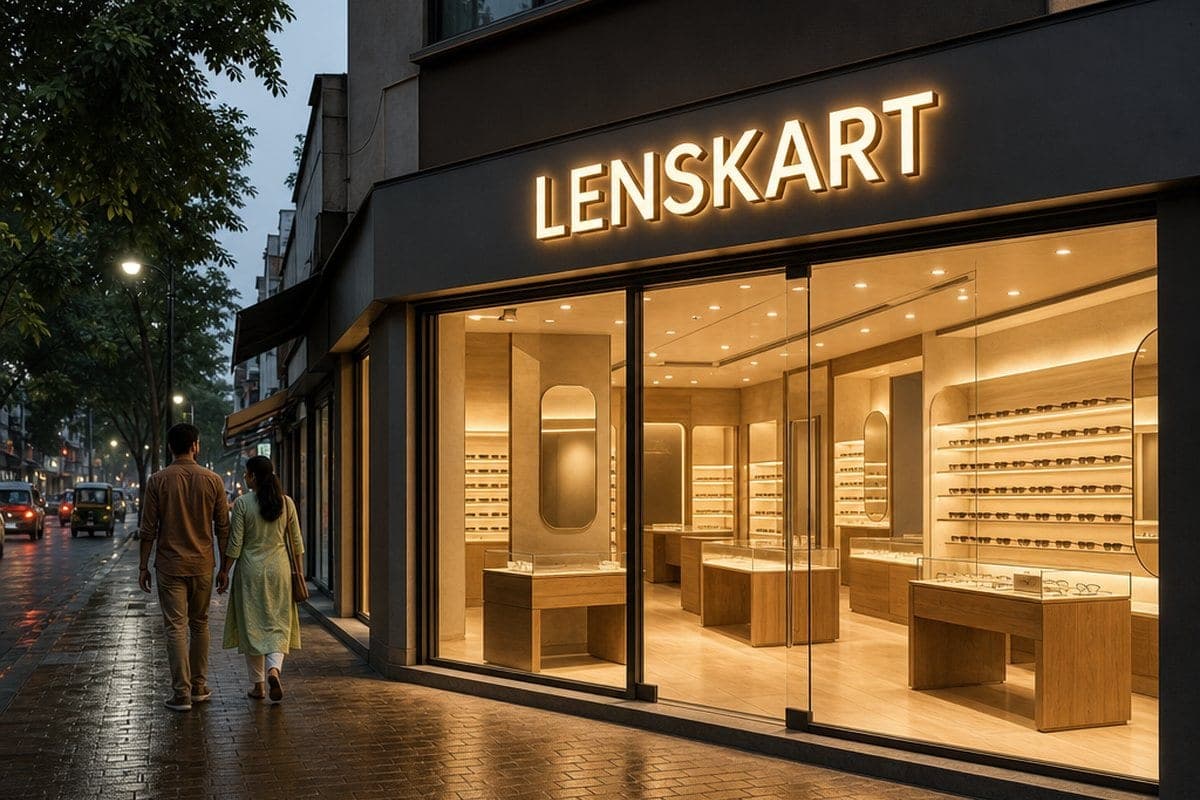
A brand is more than just a logo or a tagline. It is the impression customers carry in their minds about a business and its products. In the retail world, signage is often the first point of interaction a customer has with a brand when entering a store or passing by a storefront. While signage may seem like a straightforward element, it is one of the most effective methods of building and sustaining brand awareness over time.
In this guide, we explore the role signage plays in shaping brand perception, the innovative techniques available today, and the essential steps for a successful signage deployment at scale.
Why Signage Matters for Brand Awareness
Signage presents an excellent opportunity for businesses to make a strong first impression on potential customers. Well-designed, eye-catching signage can leave a lasting memory in the minds of passersby, leading to better brand recall and recognition.
- Draws Foot Traffic: Strategically placed signage acts as a magnet, drawing in foot traffic and encouraging people to explore the store. It creates awareness while also showcasing the brand's unique selling points or current promotions.
- Continuous Visibility: Signage provides round-the-clock exposure for the brand, enhancing brand familiarity among consumers. Whether lit or non-lit, signage works as a silent ambassador for the brand at all hours.
- Cost-Effective Marketing: Investing in high-quality signage is a one-time cost that yields long-term benefits, making it a cost-effective marketing tool compared to recurring advertising spends.
- Enhanced Customer Experience: Clear and visible signage makes it easier for customers to locate a store, especially in crowded retail areas. This enhances the overall shopping experience and leaves a positive impression.
Innovative Signage Techniques
The market offers a wide range of signage materials and methods, catering to various budgets and requirements. Among the innovative techniques promoted by Channelplay, the following stand out:
ACP Signage with Stainless Steel Letters
ACP (Aluminium Composite Panel) signage with stainless steel letters provides reliability, lightweight properties, and durability. This combination offers a premium and sophisticated look, making it appealing to customers who associate quality signage with a trustworthy brand.
Retro Reflective Flex and Vinyl Non-Lit Signboards
These cost-effective signboards are easy to maintain and suitable for locations where access to power might be challenging. The retro-reflective material ensures high visibility even in low-light conditions, maximizing the signage's impact without requiring electricity.
Night Glow Vinyl
For non-lit signboards, night glow vinyl provides a smart and eco-friendly solution. These boards get charged with solar energy during the day and glow at night, eliminating the need for power sources or complex lighting arrangements. This makes them ideal for rural retail locations and areas with inconsistent power supply.
Essentials of Signage Deployment in Retail
A successful large-scale signage deployment requires careful planning and execution across multiple phases. Whether you are a large retail brand or a smaller establishment, the following framework will help you optimise your signage deployment process.
Operations: Planning for Success
The first step towards a successful signage deployment project is meticulous planning. This involves several crucial aspects:
- Expert Visual Merchandising Team: Building a strong team with expertise in visual merchandising is vital for manpower resourcing and scheduling. Skilled professionals who understand visual storytelling can effectively showcase products and reinforce brand identity.
- Understanding Brand Requirements: Signage must align with the brand's image and guidelines to maintain consistency. Incorporating the essence of the brand into every signage design is essential for cohesive brand communication.
- Finalizing the Scope of Work: Clearly defining the scope of work helps optimise costs and budgets. It ensures that all stakeholders are aligned regarding objectives, timelines, and deliverables.
- Aligning Regional Vendors: In a large-scale deployment, working with regional vendors is common. Ensuring these vendors meet professional standards and can overcome infrastructure hurdles specific to their regions is critical.
- Devising a Day-wise Plan: A well-planned day-to-day execution plan is necessary for a smoother and timely installation process, helping avoid delays and keep the project on schedule.
- Determining Quantity: Understanding the quantity of signage required based on the work order is crucial for managing inventory and production efficiently.
Site Survey (Recce): The Foundation of Success
The success of any signage deployment program relies heavily on a comprehensive site survey or reconnaissance. This process includes:
- Effective Route Plan: A well-thought-out route plan ensures the vendor team can cover all locations within the predefined timeframe, minimizing travel time and maximizing productivity.
- Retail Profiling: Understanding the on-ground availability of retail stores, including identifying the right stores and locations where signage will have the most impact.
- Determining the Right Signage: Based on space availability in each store, identifying the right type and size of signage that will fit perfectly and attract customer attention.
- Identifying Installation Requirements: During the site survey, identifying any specific requirements or challenges related to the installation process.
- Taking Actual Measurements: Accurate measurements are crucial for designing and producing signage with precision.
- Supporting Digital Photographs: Digital photographs serve as references during the design phase, ensuring the final output aligns with the site's specifications.
Production and Installation: Bringing the Vision to Life
The production and installation phase is where the vision becomes reality. Key elements include:
- Finalizing Message Content: The messaging on the signage should be clear, concise, and in line with the brand's communication strategy. The right words and visuals can significantly influence potential customers.
- Artwork Adaptation: Adhering to brand guidelines while adapting the artwork ensures consistency and maintains brand integrity. Insights from the site recce help tailor the signage to each location's unique characteristics.
- Conducting a Pilot Roll Out: Before proceeding with full-scale deployment, a pilot roll-out validates processes and procedures, allowing for adjustments before final implementation.
- Training the Field Team: The field team responsible for installation should receive comprehensive training to handle potential challenges on-site efficiently.
- Dedicated Project Team: Assigning an exclusive project team for end-to-end coordination with the client and regional teams ensures smooth execution from start to finish.
Reporting: Tracking Progress and Ensuring Quality
The reporting phase is crucial for tracking progress, identifying areas for improvement, and ensuring quality. A comprehensive reporting system provides:
- Real-time Reporting: Store survey and recce reports updated in real-time, allowing stakeholders to access the most current data and insights.
- Visual Photographs for Design Reference: High-quality photographs captured during the site survey serve as invaluable references for the design team, helping create signage that fits each store's layout.
- Client Access for Feedback: The reporting system allows clients to provide immediate feedback and suggestions, fostering a collaborative approach.
- Customized Graphical Representation: Program status and progress are visually represented, making it easier for stakeholders to grasp overall status at a glance.
- Quality Assurance: Every installation is thoroughly checked in the field and documented through online reporting, ensuring signage meets the highest standards of quality.
How Signage Supports Long-term Brand Building
The constant visibility of signage ensures that the brand remains at the forefront of consumers' minds, fostering familiarity and loyalty over time. When customers repeatedly see a well-maintained, professional sign, it builds trust and reinforces the brand's presence in the market.
Innovative signage techniques open up exciting possibilities for brands to stand out. From eco-friendly night glow vinyl to premium ACP solutions, there is a signage option for every budget and location type. The key is to select materials and designs that align with the brand's identity while being practical for the specific retail environment.
For brands operating across multiple locations, consistency in signage design and quality becomes especially important. A well-coordinated signage deployment ensures that the brand experience remains uniform, whether a customer visits a store in a metro city or a smaller town.
Conclusion
Signage is a powerful tool for building brand awareness in retail. From creating strong first impressions to providing round-the-clock brand visibility, well-planned signage deployment can significantly enhance a brand's market presence. By combining innovative materials, meticulous planning, thorough site surveys, and robust reporting, brands can ensure their signage strategy delivers lasting results.
Key Takeaways:
- Signage is often the first point of brand interaction for customers and plays a vital role in brand recall and recognition.
- Innovative techniques such as ACP signage, retro reflective flex, and night glow vinyl offer solutions for various budgets and locations.
- Successful signage deployment requires careful planning across operations, site surveys, production, installation, and reporting.
- Consistency in signage quality and design across locations reinforces brand trust and familiarity.
- Real-time reporting and quality assurance processes are essential for maintaining high standards at scale.
For retail brands seeking to strengthen their market presence, investing in a well-executed signage strategy is an essential step toward building a recognizable and trusted brand identity.
