
6 Effective Omnichannel Visual Merchandising Strategies


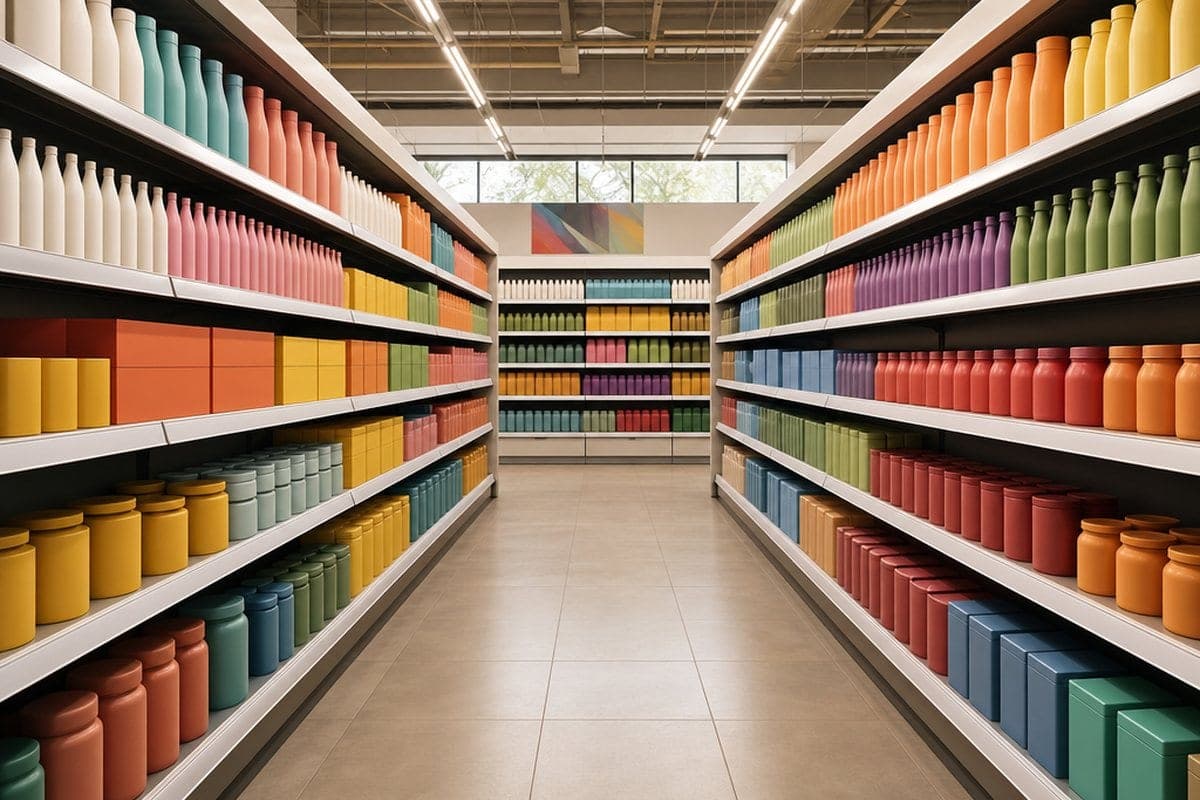
The visual representation of a brand is no longer confined to a single location; it now extends across all interactions and stores. Visual merchandising, once solely a physical experience, is evolving into a more holistic approach. Omnichannel visual merchandising represents the evolution of traditional methods, seamlessly blending the online and offline worlds.
What is Omnichannel Visual Merchandising?
Modern consumers expect a consistent shopping experience across all platforms, whether they're browsing online or visiting a physical store. Omnichannel visual merchandising bridges the gap between the global reach of e-commerce websites and the hands-on experience of brick-and-mortar stores. It ensures a cohesive visual experience for customers across all interactions with your brand, online and offline.
6 Effective Strategies to Incorporate Omnichannel in Visual Merchandising
These strategies include using consistent branding and messaging across all channels, utilising data to personalise the shopping experience for customers, and implementing interactive displays that connect online and offline inventory, hence creating a seamless shopping cart experience. By incorporating these strategies, businesses can create a unified and engaging shopping experience that meets the expectations of modern consumers.
1. Interactive Displays
Incorporate interactive elements like digital signage to create dynamic environments where customers can explore products in-depth, browse online catalogs, participate in polls, games, and more. This approach fosters emotional connections and bridges the gap between online and offline experiences. For instance, brands like OnePlus use digital signage for personalized product recommendations. The global digital signage market continues to grow rapidly, reflecting the increasing demand for dynamic in-store experiences.
2. Social Media Integration
Use social media platforms creatively to showcase your store's visual merchandising, enhancing offline appeal and engaging a broader audience. A well-maintained, visually appealing store can attract more foot traffic, leveraging billions of social media users globally.
3. Specialist Hiring
Employ specialists who understand both online and offline environments to ensure consistent brand representation across all touchpoints—from online presence and commercial photography to in-store experiences. This strategy aligns with the growing demand for specialist roles in the retail industry.
4. QR Codes and Digital Kiosks
Utilise QR codes on displays and packaging to enhance customer interaction in both physical and virtual spaces. Digital kiosks offer interactive experiences, allowing customers to explore products and access information conveniently, with widespread QR code adoption among consumers worldwide.
5. Futuristic POSM (Point of Sale Materials)
Explore innovative POSM options like integrated digital signage for versatile and aesthetically pleasing displays that promote products and enhance sales opportunities. This approach supports a rapidly growing POSM market driven by brands seeking more engaging retail experiences.
6. Seamless Implementation and Ongoing Support
Collaborate with experienced omnichannel visual merchandising providers like Channelplay to manage concept development, deployment, and ongoing maintenance. This ensures your visual merchandising strategy remains current and effective.
By leveraging the potential of omnichannel visual merchandising, businesses can cultivate unified customer relationships that transcend physical and digital boundaries. This approach enhances interaction, drives sales, fosters brand loyalty, and positions your brand for success in a dynamic retail environment. Let's craft a visual narrative that resonates with your customers—contact us today to get started.
Conclusion
Omnichannel visual merchandising is no longer optional—it's essential for brands that want to thrive in today's interconnected retail landscape. By implementing these six strategies, you can create a seamless, engaging experience that resonates with customers across all touchpoints.
Key Takeaways:
- Consistent branding across online and offline channels builds trust and recognition
- Interactive digital elements bridge the gap between physical and virtual shopping
- Social media integration extends your visual merchandising reach exponentially
- QR codes and digital kiosks enhance customer engagement at every touchpoint
- Futuristic POSM options create versatile displays that drive sales
- Professional partnerships ensure your strategy stays current and effective
Embrace the omnichannel approach to visual merchandising, and watch as your brand creates meaningful connections with customers wherever they choose to engage.
