
6 Key Reasons of Upgrading to Interactive Digital Signage


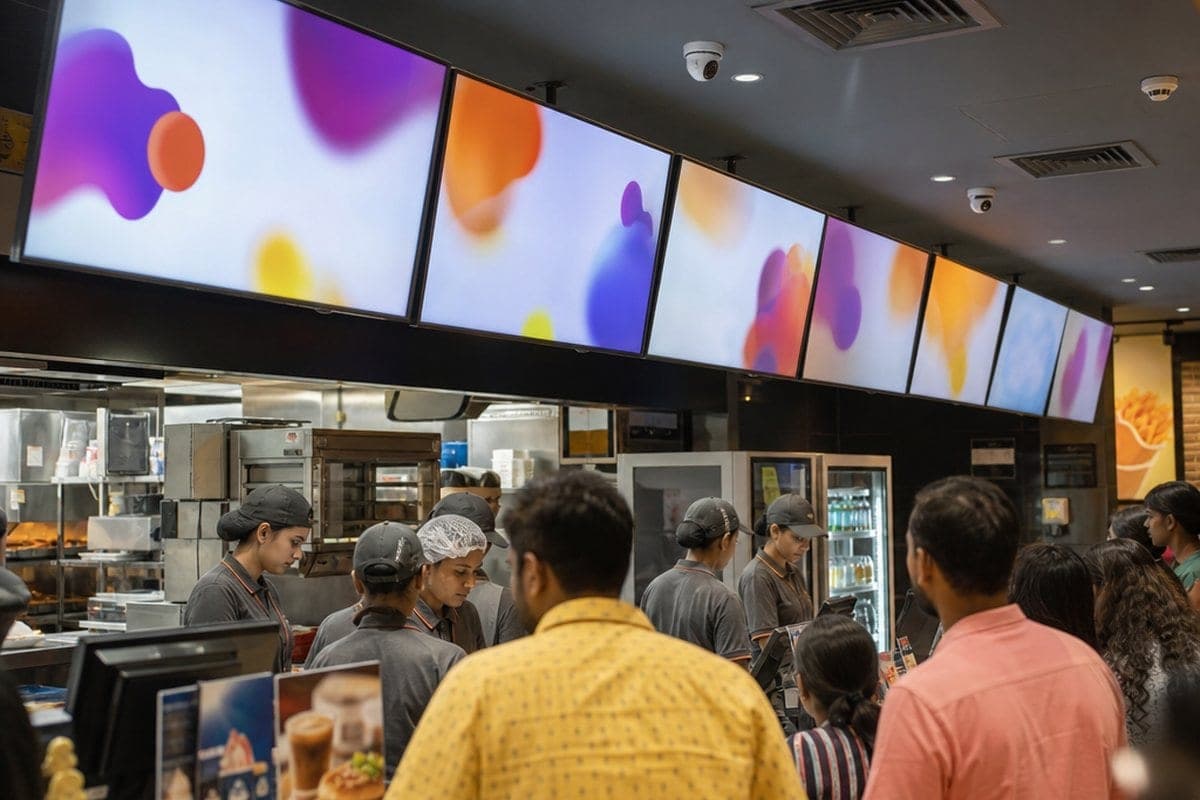
Grabbing attention today requires more than a static poster. People are looking for dynamic experiences. Enter digital signage, a revolution transforming communication from one-way streets to interactive avenues. Imagine captivating displays that inform and engage your audience. Digital signage is not just an upgrade; it's a strategic shift, breathing life into your communication. And that's just the beginning of the benefits of digital signage.
What is Digital Signage?
Digital signage refers to display technologies such as LED displays and monitors capable of showcasing dynamic content like websites, videos, messages, instructions, menus, advertisements, and digital images. These displays can be used in various settings, including public spaces, sports stadiums, restaurants, retail stores, commercial buildings, and hospitals, to provide information, advertisements, promotions, and marketing messages. Compared to traditional signage, digital signage offers greater flexibility and versatility.
6 Reasons to Switch to Interactive Digital Signage
Upgrading to interactive displays can transform engagement, streamline operations, and enhance customer experiences across various settings. Explore these 6 compelling advantages of interactive digital signage with these six key reasons.
1. Boosts Engagement
Interactive digital signage is more engaging than static traditional signage. Retail stores, for example, can use touchscreens for customers to browse product catalogs, check stock availability, and read product reviews. In malls, interactive maps can help shoppers find store locations and promotions, making their visits more efficient and engaging. Interactive components like touchscreens, gesture recognition, and voice commands transform passive viewers into active participants.
2. Enhanced Flexibility Through Customisation
Digital signs offer exceptional flexibility in content management. Restaurants can easily update digital menu boards with daily specials, price changes, or sold-out items. Similarly, clothing stores can instantly change promotional content to reflect stock levels or upcoming sales events, ensuring relevant and timely information is always displayed.
3. Real-time Updates
Digital signage allows for real-time updates, ensuring customers always see the most current information. For example, airports can display live flight information, including gate changes and emergency messages, keeping passengers informed. Retail stores can instantly update displays to promote flash sales and drive immediate traffic and sales.
4. Cost-Efficient and Interactive
Although the initial cost of digital signage is higher than traditional signs, it becomes cost-effective over time. Interactive elements like touchscreens, QR codes, and social media integration make digital signage a valuable tool for engaging customers. For instance, an interactive beauty store with kiosks can offer makeup consultations, product reviews, and social media sharing, enriching the customer experience and attracting new customers through social sharing.
5. Central Content Management
Most digital signage systems offer centralised content management, allowing for control and updates from a single location. A national retail chain, for example, can manage all in-store displays from headquarters to ensure consistent messaging across all stores. This centralised approach makes it easier to roll out new campaigns, update promotional content, and maintain brand consistency.
6. Enhance Customer Experience
Enhance the shopping or visitor experience by providing valuable information through interactive features on digital signage. Engage customers with dynamic content that informs and guides, creating a more personalised and enjoyable interaction. Whether showcasing product details, offering wayfinding assistance, or enabling interactive elements like touchscreens, digital signage enhances customer satisfaction by delivering relevant information in an engaging and accessible manner.
What to Look for in a Digital Signage Partner
Upgrading to digital signage is as much an execution project as a hardware purchase: displays have to be planned, installed and commissioned across scattered locations, usually against a fixed campaign date. The useful questions to ask a prospective partner are therefore about execution capacity as well as the screens themselves.
- Demonstrated scale: ask for a comparable deployment. One recent rollout in India placed more than 150 digital signs across more than 20 cities — over 9,000 square feet of display — in 45 days.
- End-to-end ownership: a single partner covering planning through execution removes the coordination gaps that stall multi-city projects.
- Consistent pricing and service quality: rates and standards of work that hold nationwide, so the economics of a national rollout stay predictable.
- Service network: a robust service network determines how quickly a failed screen or a content problem gets attended to.
- Sustainability practices: a stated, dedicated focus on sustainability rather than an afterthought.
Conclusion
Interactive digital signage represents a strategic investment that delivers measurable returns across engagement, efficiency, and customer satisfaction. The six compelling reasons outlined above make a clear case for upgrading from static to dynamic displays.
Key Takeaways:
- Interactive features transform passive viewers into active, engaged participants
- Real-time update capabilities ensure your messaging is always current and relevant
- Centralised management streamlines operations across multiple locations
- Long-term cost savings outweigh the initial investment significantly
- Enhanced customer experiences lead to increased satisfaction and loyalty
- Channelplay's nationwide reach ensures seamless deployment at scale
The future of business communication is interactive, dynamic, and data-driven. Make the upgrade today to stay ahead of customer expectations and competition.
