
FIFO Compliance in FMCG Retail: Reduce Expiry Losses & Protect Brand Trust (2026)


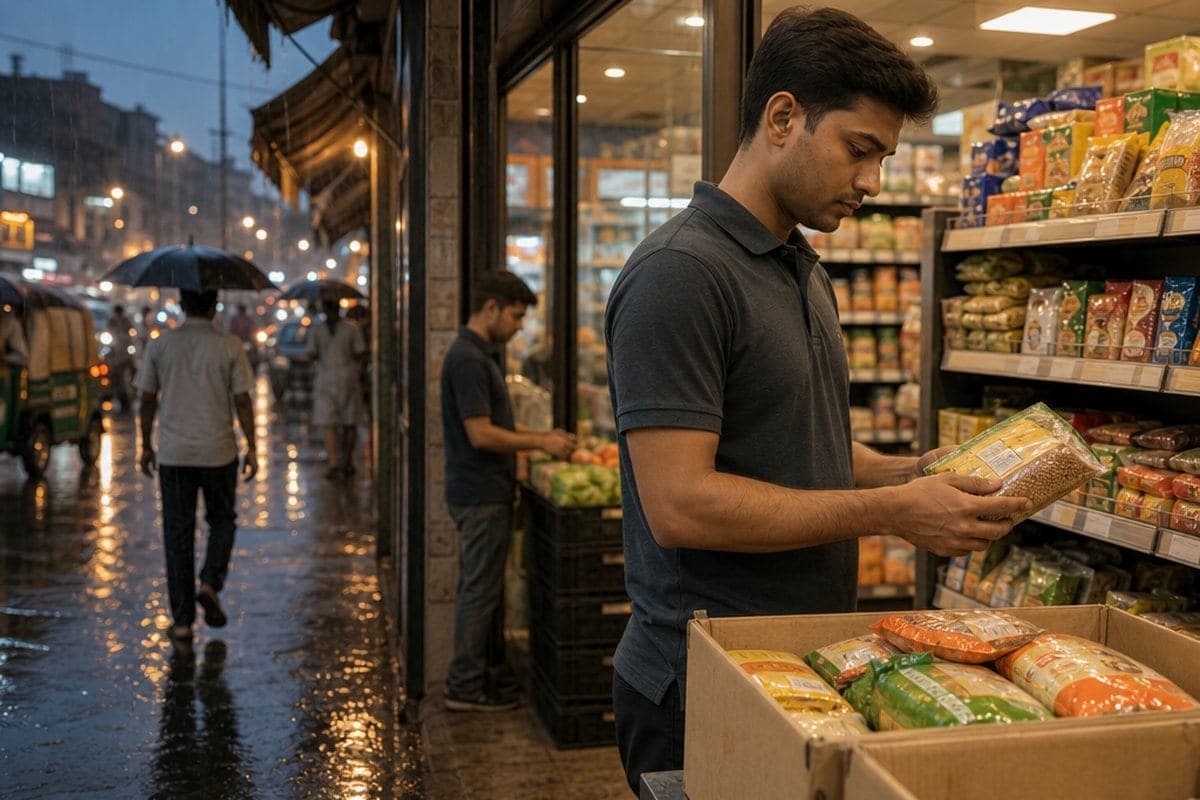
A delivery arrives at a supermarket in Bangalore. 200 units of flavoured yoghurt, packed fresh with a 21-day shelf life. The store staff unloads the crates, opens the chiller, and places the new stock right at the front - because it is faster, easier, and nobody is checking. The older batch, with 6 days left to expiry, gets pushed to the back. Three days later, those older units expire on the shelf. The store files a return claim. The brand absorbs the loss.
This happens every day, across thousands of stores, with dairy products, packaged foods, beverages, and personal care items. The solution is not more supply chain technology or better demand forecasting. It is FIFO - First Expiry, First Out - enforced consistently at the shelf level by trained merchandisers. And for brands operating across hundreds of retail touchpoints, the most reliable way to make this happen is through an outsourced merchandising partner with the processes, training, and technology to enforce stock rotation at scale.
This guide is part of our complete FMCG Merchandising Services Guide for Indian Brands.
FIFO vs FIFO: Why the Distinction Matters
Most people in supply chain and retail are familiar with FIFO - First In, First Out. It is a warehouse principle: the stock that arrived first should be dispatched first. FIFO works well in controlled environments like distribution centres where every batch is logged and tracked digitally.
FIFO takes a different approach. Instead of prioritising arrival sequence, FIFO prioritises expiry date. The product closest to expiry goes to the front of the shelf and gets sold first - regardless of when it arrived at the store. This distinction matters because in real-world retail, delivery schedules are inconsistent. A batch with a shorter shelf life might arrive after a batch with a longer one. If the store follows FIFO, the longer-life batch sits at the front while the shorter-life batch expires behind it.
For FMCG categories with limited shelf life - dairy, bakery, fresh juices, ready-to-eat meals, and even personal care products - FIFO is the only rotation method that consistently prevents expiry losses. FIFO is a logistics principle. FIFO is a retail execution principle. The difference between the two, when applied at the shelf, can mean the difference between a 2% shrinkage rate and a 6% one.
The Real Cost of Poor FIFO Compliance
The financial impact of poor stock rotation is significant and often underestimated. Industry data shows that average shrinkage in Indian FMCG retail runs at approximately 5.5% of revenue. For a single modern trade outlet doing Rs 1.5-2 crore in monthly revenue, that translates to Rs 1.5-2 lakhs in monthly losses from expired, damaged, or wasted stock.
Of this shrinkage, an estimated 30-40% comes directly from stock rotation errors - products expiring on the shelf because newer stock was placed in front of older stock. This is not a supply chain problem. The product was available. It was delivered on time. It was in the store. It simply was not rotated correctly at the shelf level.
Beyond the direct financial loss, poor FIFO compliance creates secondary costs that are harder to quantify but equally damaging. Return claims from retailers strain the brand-retailer relationship. Expired products reaching consumers trigger complaints and erode brand trust. Regulatory risks increase, especially for food and dairy categories where expiry compliance is subject to FSSAI oversight. And every expired unit represents a lost sale - a customer who either bought a competitor's product or left the store without purchasing.
Why FIFO Fails at the Store Level
If FIFO is such a simple concept, why does it fail so consistently in Indian retail? The answer comes down to three structural issues at the store level.
The speed problem. Store staff are under pressure to unload deliveries quickly and get back to serving customers. Proper FIFO rotation requires pulling existing stock forward, checking expiry dates, placing new stock behind older stock, and reorganising the shelf. This takes time - time that store staff do not have and are not incentivised to spend. The fastest approach is to stack new stock in front, and that is exactly what happens in most stores.
The accountability gap. In most retail environments, no single person is responsible for stock rotation on a day-to-day basis. Store managers oversee dozens of categories. Floor staff rotate between sections. Nobody owns FIFO as a specific, measurable responsibility. Without clear ownership, the task falls through the cracks.
The scale challenge. Even brands that understand the importance of FIFO struggle to enforce it across hundreds or thousands of stores. You cannot audit every shelf in every store every day with an internal team. The cost would be prohibitive and the management overhead enormous. This is precisely why outsourced merchandising teams exist - to provide dedicated, trained personnel whose primary job is shelf-level execution, including FIFO compliance, at every store visit.
How to Enforce FIFO at Scale
Enforcing FIFO across a large retail network requires a combination of trained people, clear processes, and technology-enabled verification. Here are the four methods that work at scale.
Dedicated merchandiser visits. The most effective way to enforce FIFO is to have trained merchandisers visit each store on a regular schedule. During every visit, the merchandiser checks expiry dates across all SKUs, rotates stock so that the nearest-expiry products are at the front, pulls any near-expiry or expired items from the shelf, and documents the shelf condition with timestamped photos. This is not a one-time fix - it requires consistent, repeated execution at every store visit.
Expiry-date tracking and alerts. Technology platforms can track expiry dates at the SKU and batch level, generating automatic alerts when products approach their expiry threshold. This gives both the merchandiser and the brand manager visibility into which stores and which SKUs are at risk, enabling proactive intervention before products expire.
Photo-verified compliance reporting. Every FIFO rotation should be documented with before-and-after photos that are timestamped and geotagged. This creates an auditable record of compliance and allows brand teams to verify execution without being physically present in the store. It also creates accountability - if a store consistently shows poor rotation, the data makes it visible.
SOP-driven training. FIFO compliance starts with training. Merchandisers need to understand not just what FIFO is, but why it matters, how to check dates efficiently, how to handle near-expiry stock, and how to communicate with store staff when shelf access is limited. Standardised SOPs ensure that every merchandiser, regardless of location, follows the same rotation protocol.
FIFO Across Retail Formats in India
FIFO enforcement looks different depending on the retail format. In modern trade chains like Big Bazaar, DMart, or Spencer's, the shelves are large, the SKU count is high, and the store has its own staff managing replenishment. Here, the merchandiser's role is to supplement store operations - ensuring that FIFO is followed during replenishment and that older stock is not buried behind new deliveries. Modern trade stores are also more likely to have refrigerated display units where rotation is even more critical.
In general trade - the neighbourhood kirana stores that still account for the majority of FMCG sales in India - the challenge is different. Shelf space is limited, deliveries are irregular, and the store owner manages everything personally. FIFO in general trade requires a lighter touch: checking dates during sales visits, rotating the small number of facings available, and pulling near-expiry stock before it creates a return claim.
E-commerce and quick commerce fulfilment centres present yet another environment. Here, FIFO is managed through warehouse management systems, but the principle remains the same - products closest to expiry should be picked and shipped first. Brands supplying to these channels benefit from merchandising partners who can enforce FIFO at the dark store or warehouse level.
Conclusion
FIFO compliance is not a nice-to-have - it is a fundamental requirement for any FMCG brand selling perishable or limited-shelf-life products through Indian retail. The cost of getting it wrong shows up in shrinkage numbers, return claims, brand trust erosion, and lost sales. The solution is not more technology at the warehouse level - it is trained, accountable execution at the shelf level, delivered consistently across every store in your network.
For brands operating at scale, outsourced merchandising partners provide the infrastructure to enforce FIFO daily - with trained personnel, standardised SOPs, digital reporting, and photo-verified compliance. It is one of the highest-ROI investments a brand can make in its retail execution strategy.
