
FMCG Merchandising Services India: Complete Guide to Shelf, Stock & Store Execution (2026)


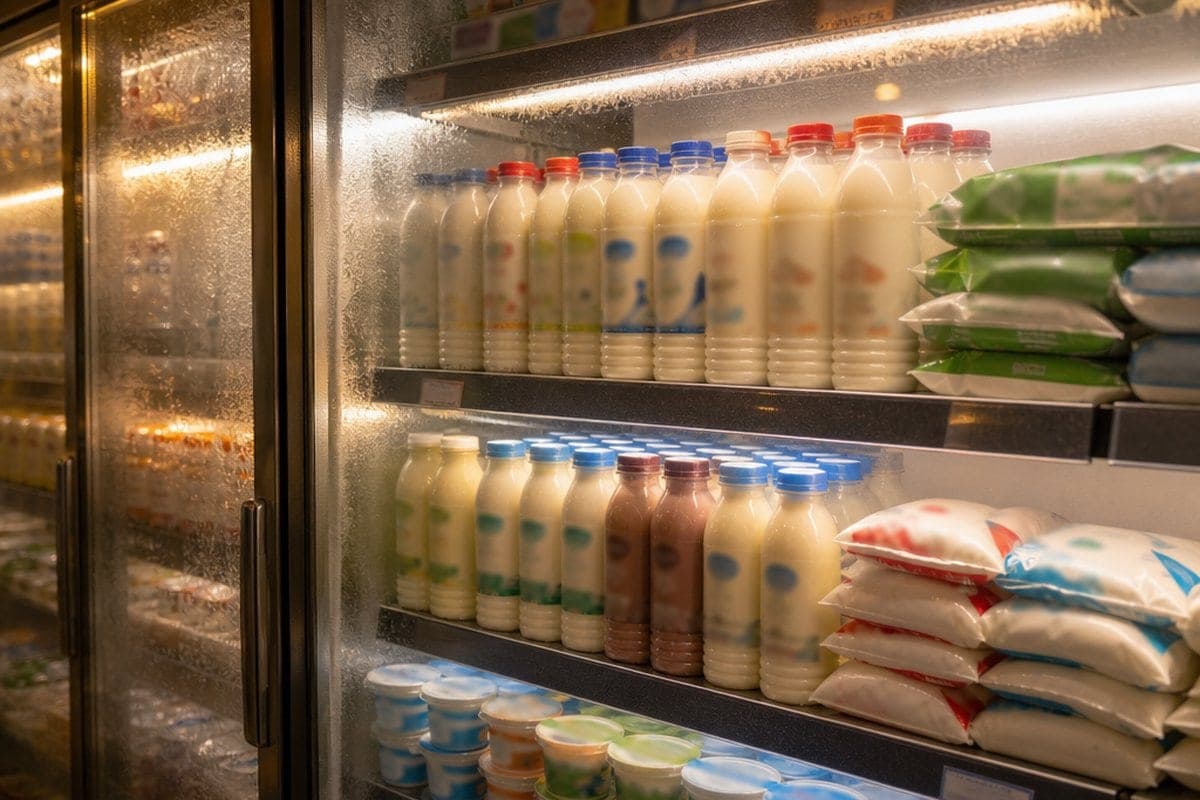
A shopper walks into a supermarket in Pune, picks up a packet of biscuits from the shelf, checks the expiry date, and puts it back. The next packet has a dent. The third slot is empty. She moves on to a competing brand. This is not a one-off incident - it plays out thousands of times every day across Indian retail.
That is not a supply chain failure. The product was in the store - sitting in the back room or buried behind older stock. What failed was the last step: making sure the right product was on the right shelf, in the right condition, at the right time. That is merchandising.
FMCG merchandising is the work that happens between the warehouse and the shopping cart. It includes stock rotation, shelf replenishment, expiry management, planogram compliance, and real-time reporting from the store floor. For brands operating across hundreds or thousands of retail touchpoints in India, this work cannot be left to chance or to store staff who have a hundred other things to manage.
This guide covers everything Indian FMCG brands need to know about retail merchandising - from the core pillars that define great execution to the practical reasons for outsourcing it to a specialist partner.
What Is FMCG Merchandising?
At its core, FMCG merchandising is about ensuring that products are available, visible, and fresh at the point of purchase. It sounds simple, but executing it consistently across thousands of stores - each with different layouts, staff, and footfall patterns - is one of the hardest operational challenges in consumer goods.
Indian retail adds another layer of complexity. The market operates across wildly different formats - from large-format modern trade chains and regional supermarkets to traditional kirana stores and high-street general trade outlets. Each format has its own rules, its own shelf dynamics, and its own challenges. A planogram that works in a Reliance Retail outlet does not apply in a neighbourhood kirana shop in Lucknow.
For brands selling heavily through kirana and neighbourhood stores, a dedicated general trade merchandising services model is often the difference between distribution and actual sell-out. GT execution needs tighter beat planning, faster replenishment, and more flexible shelf discipline than modern trade because outlet formats, store-owner expectations, and shelf conditions vary sharply market by market.
This is why brands increasingly turn to dedicated merchandising service providers. A good merchandising partner does not just send people to stores - they bring SOPs, technology, training, and reporting infrastructure that lets brands control what happens on the shelf, even when they are not physically present.
The Five Pillars of FMCG Merchandising
Effective FMCG merchandising rests on five operational pillars. Each one addresses a specific failure point in the last mile of retail execution.
1. FIFO Compliance and Expiry Management
First Expiry, First Out (FIFO) is the principle that products closest to expiry should be placed at the front of the shelf and sold first. It sounds straightforward, but in practice, 30-40% of dairy and perishable shrinkage in Indian retail comes from stock rotation errors. New stock gets placed in front because it is easier. Older stock gets pushed to the back, expires, and becomes a write-off - or worse, reaches a customer. A trained merchandiser enforces FIFO at every visit, checking dates, rotating stock, and pulling near-expiry items before they damage the brand.
2. Out-of-Stock Management and Shelf Availability
Research consistently shows that around 40% of shoppers will switch brands when their preferred product is out of stock. And here is the problem - most out-of-stock situations are not caused by supply shortages. They are caused by phantom inventory (the system says it is in stock, but the shelf is empty), delayed replenishment from the back room, or poor ordering triggers at the store level. Merchandisers catch these gaps in real time, replenish shelves from back stock, and flag genuine shortages to the brand before they become lost sales.
3. Shelf Compliance and Planogram Execution
Brands invest significant effort in designing planograms - the visual maps that dictate where each SKU sits on the shelf, how many facings it gets, and which products go at eye level. The gap between the planogram designed at headquarters and what actually exists on the shelf in a store in Coimbatore can be enormous. Merchandisers bridge this gap by executing planograms accurately, maintaining brand blocking, and ensuring that promotional displays are set up as intended.
4. Merchandiser Deployment and Workforce Management
The biggest bottleneck in scaling retail merchandising is people. Attrition among field merchandisers in India runs between 30-60% annually. Recruiting, training, deploying, and managing a field force across multiple cities and retail formats is a full-time operational challenge. It requires robust HR processes, regional recruitment pipelines, standardised training modules, and supervision structures that ensure consistent execution quality even with workforce turnover.
5. Reporting, Dashboards and Real-Time Visibility
Many brands still rely on WhatsApp photos and Excel sheets to track what is happening in stores. This approach breaks down the moment you cross 50 stores. Effective merchandising requires structured reporting - digital check-ins, photo-verified task completion, shelf condition scoring, and dashboards that give brand managers a real-time view of execution quality across their entire retail footprint. Without this visibility, you are flying blind.
Why Merchandising Matters More Than Ever in Indian FMCG
India's FMCG market is projected to cross $220 billion by 2027, making it one of the fastest-growing consumer goods markets in the world. But growth alone does not explain why merchandising has become a top priority for brands. Several structural shifts in Indian retail are making store-level execution more critical - and more complex - than ever before.
The rise of quick commerce and e-commerce has raised consumer expectations around availability. A shopper who can get a product delivered in 10 minutes through an app has zero patience for an empty shelf in a physical store. Modern trade chains are tightening their compliance requirements, demanding that brands maintain planogram adherence and stock freshness as conditions for premium shelf space. Regional FMCG brands are expanding aggressively, competing for the same shelf real estate that national brands have long dominated.
At the same time, trade spend scrutiny is increasing. Brands are spending more on trade promotions, in-store visibility, and retail partnerships - but without strong merchandising execution, much of that spend is wasted. A promotional end-cap display that is never set up, a price card that is missing, or a POSM that sits in the store room instead of being placed on the floor - these are all merchandising failures that directly erode trade spend ROI.
The last three feet of the purchase journey - the space between the shopper and the shelf - is where brand preference converts into actual sales. Merchandising is what controls that space.
Why Outsource FMCG Merchandising?
Building an in-house merchandising team works when you have a small number of stores in a single city. The moment you scale to multiple cities, multiple retail formats, and hundreds of store touchpoints, the operational complexity grows exponentially. You are no longer just managing shelf execution - you are managing recruitment pipelines, regional payroll, training systems, field supervision, compliance reporting, and technology infrastructure.
Outsourcing to a specialist merchandising partner gives brands access to trained manpower that can be deployed and scaled quickly, standardised SOPs that ensure consistent execution across formats, technology platforms for digital reporting and real-time dashboards, and the flexibility to scale up or down based on seasonal demand, campaign cycles, or geographic expansion. The partner absorbs the operational complexity of workforce management - attrition, attendance, training, replacements - so the brand team can focus on strategy, growth, and trade relationships.
The key is choosing a partner, not just a staffing agency. A staffing agency sends bodies to stores. A merchandising partner brings process, technology, and accountability. They own the outcome - not just the headcount.
Conclusion
FMCG merchandising is not a support function - it is a core commercial capability that directly impacts sales, brand perception, and trade spend effectiveness. In a market as large, diverse, and fast-moving as India, the brands that win on the shelf are the ones that invest in structured, technology-enabled merchandising execution.
Whether you are managing FIFO compliance for dairy products, fighting out-of-stock issues in modern trade, or trying to maintain planogram discipline across 500 general trade outlets, the fundamentals remain the same: get the right product on the right shelf, in the right condition, at the right time. And do it consistently, at scale, every single day.
