
In-Store Experience | Why Physical Retail Matters in 2026


- Why In-Store Experience Still Matters
- The Phygital Revolution: Blending Digital and Physical
- Visual Merchandising: The Silent Salesperson
- Personalization at Scale
- Sensory Design: Engaging All Five Senses
- Omnichannel Integration: Breaking Down Silos
- Building Emotional Connections Through Experience
- Measuring What Matters
- The Role of Professional Retail Services
- Conclusion
Why In-Store Experience Still Matters
Despite the rapid growth of e-commerce, physical retail continues to play a central role in how consumers discover, evaluate, and purchase products. The majority of retail transactions still take place in brick-and-mortar stores, and that reality is not changing anytime soon. What has shifted is the level of expectation consumers bring through the door.
The modern consumer walks into your store with expectations shaped by their digital experiences. They want seamless interactions, personalized product recommendations, and emotional connections to your brand. The in-store experience has become the space where digital familiarity meets physical engagement.
For brand managers and retail leaders, the takeaway is clear: the stores you design, the staff you train, and the environments you create directly influence your bottom line. Effective instore visual merchandising remains one of the most powerful drivers of retail success. This guide covers the core elements of a winning in-store experience and how to put them into practice.
The Phygital Revolution: Blending Digital and Physical
"Phygital" refers to the integration of digital technology into the physical shopping environment in a way that feels seamless and natural. It is not about adding technology for its own sake, but about enhancing the customer journey at every touchpoint.
Consider these practical applications:
- Interactive digital signage: Displays that surface product details, customer reviews, and personalized recommendations as shoppers browse specific aisles or categories.
- QR codes and AR experiences: Tools that bridge the gap between in-store discovery and online research, allowing customers to access deeper product information on their own devices.
- Unified inventory systems: Platforms that let customers check stock, reserve items, or initiate buy-online-pickup-in-store (BOPIS) transactions in seconds.
- Smart fitting rooms: Technology-enabled trial areas that suggest complementary products or alternative sizes based on what a customer is trying on.
Retailers that successfully blend digital convenience with the irreplaceable warmth of human interaction are the ones setting the pace in today's market.
Visual Merchandising: The Silent Salesperson
First impressions in a retail environment happen in seconds. Visual merchandising — the strategic arrangement of products, signage, lighting, and decor — is how you use those critical moments to guide customer attention and encourage engagement.
Effective visual merchandising achieves several outcomes:
- Guides the customer's eye: A well-planned store layout naturally draws shoppers through key product zones and high-margin displays.
- Highlights priority items: Best-sellers and new arrivals get prominent placement that drives discovery and consideration.
- Creates emotional narratives: Themed displays and lifestyle vignettes help customers envision products in their own lives.
- Increases dwell time: Engaging visual environments encourage shoppers to spend more time browsing, which correlates directly with higher basket sizes.
- Reinforces brand positioning: Every visual element communicates your brand story, from color palettes to fixture materials.
When done right, visual merchandising feels invisible. Customers do not realize they are being guided; they simply feel drawn to certain displays and naturally pick up more items. Partnering with a professional inshop branding agency that understands the psychology of product placement can yield measurable returns on investment.
Personalization at Scale
Today's shoppers expect recognition and personalized service. Yet many retail environments treat every customer the same way. This disconnect represents a significant missed opportunity.
Personalization in the in-store setting can include:
- Loyalty program integration: Giving staff access to a customer's purchase history and preferences so they can make relevant recommendations.
- Dynamic pricing and promotions: Tailoring offers to individual customer segments based on their shopping patterns and value tier.
- Curated product selections: Using browsing behavior and past purchases to create personalized in-store displays or endcap features.
- Consultative selling: Training staff to ask the right questions and provide advice rather than simply processing transactions.
Consumers increasingly expect brands to understand their preferences. Stores that invest in personalization tools and staff training stand out by making each customer feel valued and understood.
Sensory Design: Engaging All Five Senses
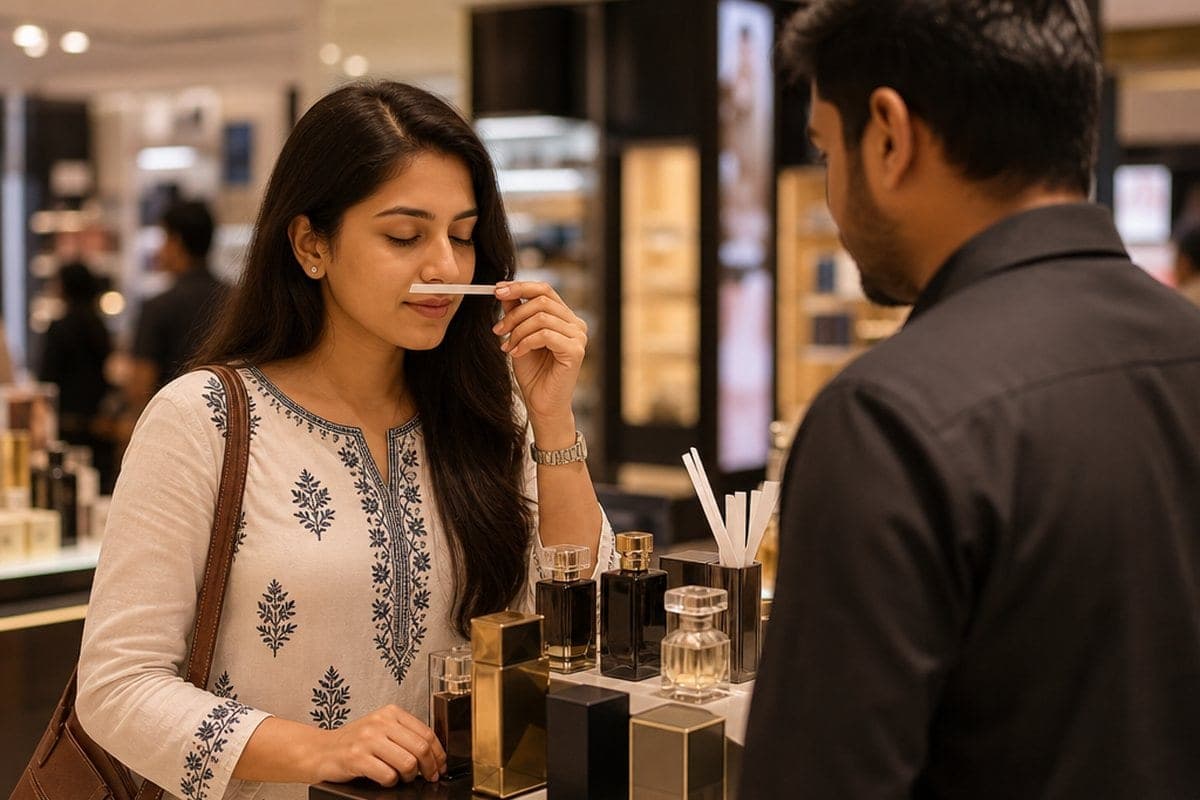
Your store's sensory environment — lighting, music, scent, texture, temperature — profoundly influences how long customers stay, what they buy, and how they feel about your brand.
Here is how each element contributes:
- Lighting: Warm, natural-feeling light makes customers feel comfortable and encouraged to linger. Harsh or dim lighting can drive shoppers away or make products look unappealing.
- Music: The right tempo and genre can increase time spent in-store and positively influence average transaction value. Music that clashes with your brand identity creates a dissonant experience.
- Scent: Subtle, branded scents improve brand recall and create emotional associations that bring customers back.
- Materials and textures: High-quality fixtures, flooring, and product displays signal quality and care, reinforcing the premium positioning of your brand.
A cohesive sensory experience transforms stores from transactional spaces into destinations customers genuinely want to visit. Investing in these details is what separates forgettable stores from memorable ones.
Omnichannel Integration: Breaking Down Silos
Today's customer does not distinguish between "online" and "offline." They research on mobile, buy in-store, return online, and expect their loyalty points and preferences to follow them across every channel.
True omnichannel retail requires:
- Unified inventory visibility: Customers and staff can see real-time stock levels across all channels and locations.
- Consistent pricing and promotions: No surprises when a customer moves between your website and your store.
- Seamless customer data integration: Purchase history, preferences, and loyalty status are accessible regardless of the channel.
- Flexible fulfillment options: BOPIS, ship-from-store, same-day delivery, and easy cross-channel returns.
- Connected customer service: Support teams have full context of a customer's journey, no matter where it started.
Stores that succeed in omnichannel environments recognize that each channel serves a purpose in the customer journey and invest in infrastructure that treats them as one ecosystem.
Building Emotional Connections Through Experience
Retail, at its core, is about relationships. A customer who feels an emotional connection to your brand is more likely to become a repeat buyer, recommend you to others, and remain loyal even when competitors offer lower prices.
In-store experiences create emotional connections through:
- Authenticity: Stores that reflect genuine brand values resonate more deeply than those that feel manufactured or generic.
- Community: Creating spaces where customers feel part of something larger — a lifestyle, a shared interest, or a brand community.
- Surprise and delight: Unexpected moments of generosity or creativity, such as complimentary samples, handwritten notes, or exclusive in-store events, create memories worth sharing.
- Expert curation: Staff who are knowledgeable, passionate, and genuinely interested in helping build trust that no algorithm can replicate.
These emotional elements are what e-commerce cannot fully reproduce. The tactile, social, and experiential dimensions of a physical store remain a powerful competitive advantage for brands that invest in them.
Measuring What Matters
You cannot improve what you do not measure. For retail leaders serious about optimizing the in-store experience, here are the key performance indicators to track:
- Conversion rate: What percentage of store visitors make a purchase? This is the most direct measure of how well your store experience translates into sales.
- Average transaction value: Are customers buying more when the experience is optimized? Changes in visual merchandising and staff training often show up here first.
- Dwell time: How long do customers spend in-store or in specific sections? Longer dwell time typically correlates with higher spend.
- Mystery shopping results: Regular audits reveal the quality of service and merchandising consistency across locations. Learn more about mystery shopping audits and how they drive improvement.
- Customer satisfaction scores: NPS, CSAT, and targeted feedback on specific experience elements help you identify what is working and what needs attention.
- Repeat visit rate: Are customers coming back? Retention is often a stronger indicator of experience quality than acquisition.
Professional retail execution partners can help you gather and interpret this data at scale, turning insights into actionable improvements across your entire store network.
The Role of Professional Retail Services
Creating exceptional in-store experiences at scale requires specialized expertise. Whether you need instore branding services to refresh your visual identity, instore merchandising services to optimize product placement and displays, or ongoing support from an experienced instore branding vendor, the right partner makes all the difference.
When evaluating a retail services partner, look for capabilities in:
- Brand expression: Deep understanding of your brand positioning and the ability to express it through physical environments.
- Consumer psychology: Knowledge of behavioral design principles that influence navigation, attention, and purchase decisions.
- Omnichannel awareness: Ability to design in-store experiences that complement and integrate with your digital channels.
- Scalable execution: The operational capacity to deliver consistent quality across multiple locations and markets.
- Data-driven optimization: A commitment to measurement, reporting, and continuous improvement based on real performance data.
The strongest retail services partners cover the full arc of the work - auditing existing stores, designing the experience, and executing it on the ground - rather than stopping at strategy or creative direction alone.
Conclusion
The in-store experience is not declining — it is evolving. Brands that invest in creating exceptional, personalized, and emotionally resonant physical experiences are well-positioned to thrive, regardless of how much the digital landscape changes.
Key Takeaways:
- Physical retail remains a dominant channel for consumer purchases, and in-store experience quality directly affects sales and loyalty.
- Phygital integration — blending digital tools with physical environments — is now a baseline expectation, not a differentiator.
- Visual merchandising, sensory design, and personalization are the three pillars of a compelling in-store experience.
- Omnichannel consistency matters: customers expect a seamless journey across every touchpoint.
- Measurement is essential — track conversion rates, dwell time, satisfaction scores, and mystery shopping results to drive continuous improvement.
- Professional retail execution partners bring the expertise and scale needed to deliver consistent excellence across your store network.
Start by auditing your current in-store experience. Identify the gaps between what you deliver today and what your customers expect.
