
POSM Festive Campaign: How to Elevate Your Retail Store This Diwali


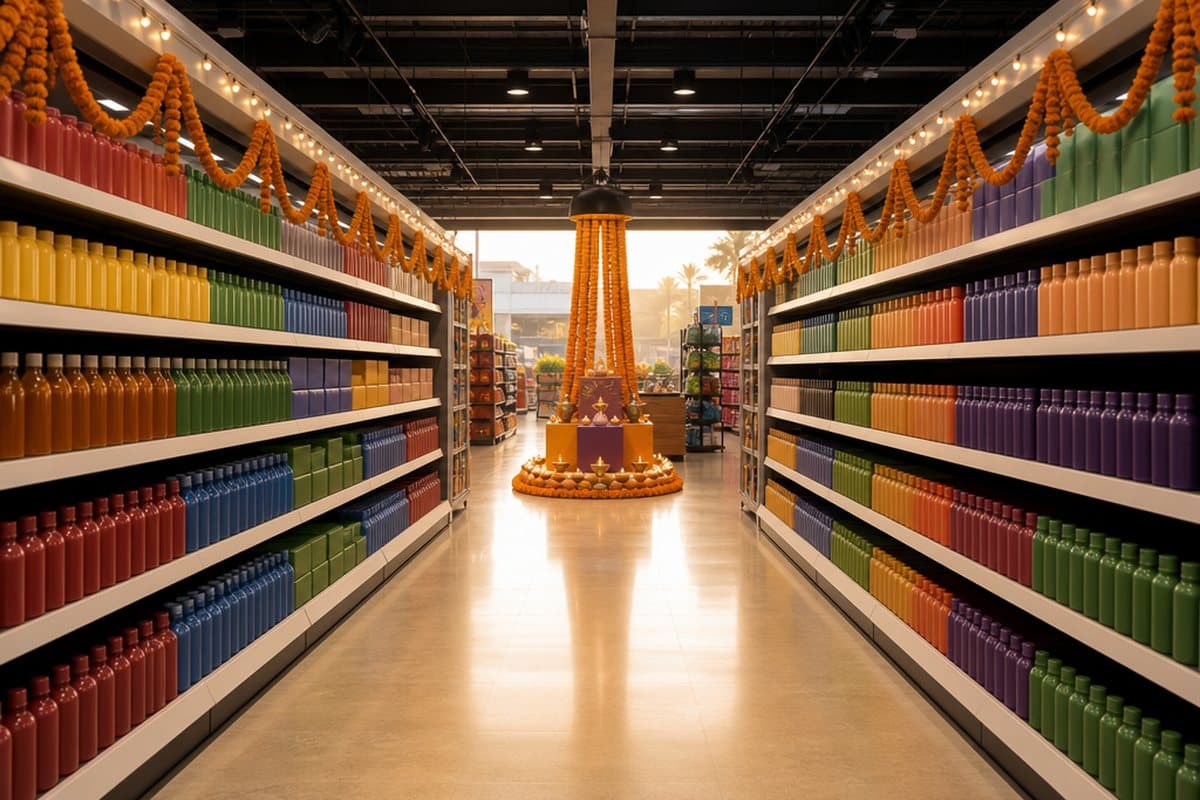
Diwali is the single most important retail season in India. Every brand competes for shopper attention, and the stores that stand out are the ones that invest in smart, well-executed in-store branding. This is where a POSM festive campaign becomes essential.
POSM, short for Point-of-Sale Materials, refers to the signage, displays, shelf branding, and promotional elements placed inside retail stores to influence purchase decisions right at the moment of buying. From eye-catching shelf wobblers to large-format digital screens, POSM plays a critical role in grabbing attention, communicating key messages, and driving conversions.
In this guide, you will learn the different types of POSM, how to choose between them, a step-by-step deployment checklist, and best practices to ensure your Diwali campaign delivers maximum impact in-store.
Why POSM Matters During Diwali
The festive season brings a surge in footfall, but it also brings an overwhelming amount of visual noise inside stores. Every brand is vying for the shopper's eye. A well-designed POSM festive campaign helps your brand:
- Cut through visual clutter: Strategic placement and bold design ensure your brand stands out among dozens of competing messages on the shelf.
- Create festive association: Diwali-themed POSM elements connect your product with the celebratory mood, making it feel like a natural festive purchase.
- Trigger impulse purchases: Shoppers in a festive buying mindset are more receptive to well-placed promotional displays near checkout counters and high-traffic zones.
- Reinforce brand recall: Consistent in-store branding across multiple outlets strengthens recognition and trust among shoppers.
Types of POSM: Soft vs. Hard
Choosing the right type of POSM depends on your campaign objectives, duration, and budget. Here is a breakdown of the two main categories.
Soft POSM
Soft POSM includes lightweight, temporary materials such as wobblers, shelf-talkers, stickers, danglers, posters, and bunting. These are ideal for short-duration campaigns like Diwali promotions, limited-time offers, or product launches.
Advantages of Soft POSM:
- Flexibility: Easy to install, remove, and reposition whenever needed without special tools.
- Cost-effective: Lower production cost makes it feasible to deploy across a large number of stores.
- Quick turnaround: Faster to produce, making it suitable for last-minute campaign adjustments.
- Easy customisation: Can be tailored for regional or store-specific messaging during festive campaigns.
Hard POSM
Hard POSM includes more durable, permanent installations such as illuminated sign boards, digital signage, MDF or ACP-based display units, free-standing display racks, and branded counters.
Advantages of Hard POSM:
- High visual impact: Larger size, illumination, and premium materials make these displays highly attention-grabbing.
- Durability: Built to last across multiple campaigns or festive seasons, offering long-term value.
- Brand premium: Projects a sense of quality and permanence that elevates brand perception in-store.
- Digital capabilities: Digital signage variants allow dynamic content updates without physical replacement.
Choosing Between Soft and Hard POSM
For a Diwali-specific campaign that runs for a few weeks, soft POSM is typically the better choice due to its speed and cost-efficiency. However, if you are investing in a permanent branded zone or shop-in-shop setup within a key retail partner, hard POSM delivers stronger long-term returns. Many brands use a combination of both: hard POSM for flagship stores and soft POSM for wider distribution across general trade outlets.
POSM Deployment Checklist for Diwali Campaigns
A brilliant POSM design means nothing if the execution falls flat. Here is a comprehensive checklist to ensure your festive campaign runs smoothly from production to in-store installation.
1. Production and Quality Control
- Define clear specifications: Document exact dimensions, materials, colour codes, and finishing details for every POSM item before production begins.
- Set strict deadlines: Work backwards from the campaign launch date and build in buffer time for revisions and approvals.
- Conduct pre-shipment inspections: Every production lot should be inspected for print quality, colour accuracy, and structural integrity before dispatch.
- Prepare contingency stock: Order additional units to account for damages during transit or installation errors in the field.
2. Distribution and Logistics
- Map your distribution network: Plan delivery routes and timelines well in advance, especially for campaigns spanning multiple cities or states.
- Coordinate with store managers: Inform retail partners about delivery schedules and any space or access requirements for installation.
- Allocate adequate resources: Ensure sufficient manpower and vehicles are available to handle distribution at scale without delays.
- Track shipments in real time: Use logistics tracking tools to monitor dispatch status and flag any delivery exceptions early.
3. Installation and Execution
- Provide detailed installation guides: Create visual reference documents showing exactly where and how each POSM element should be placed.
- Train your field team: Ensure visual merchandisers and installation crews are briefed on brand guidelines, placement rules, and quality standards.
- Capture photo evidence: Mandate before-and-after photographs at every store to verify compliance and create an audit trail.
- Prioritise high-visibility placements: Position POSM at eye level, near checkout counters, and at store entry points for maximum shopper engagement.
4. Monitoring and Compliance
- Conduct regular store audits: Schedule periodic checks to confirm that POSM materials remain in place and in good condition throughout the campaign.
- Use digital audit tools: Leverage mobile-based audit platforms to capture real-time compliance data with geo-tagged photos.
- Act on feedback quickly: Address any installation gaps or damage reports within a defined turnaround time to maintain campaign quality.
Best Practices for a Winning Diwali POSM Campaign
Beyond the logistics, the creative and strategic aspects of your POSM campaign determine its real impact. Here are proven best practices to keep in mind.
- Align design with festive themes: Incorporate Diwali motifs such as diyas, rangoli patterns, and warm gold tones into your POSM design to create an emotional connection with shoppers.
- Keep messaging concise: Shoppers spend only a few seconds looking at in-store displays. Use bold headlines, clear offers, and minimal text for maximum readability.
- Localise where possible: Adapt language and imagery for regional markets. A POSM campaign in Tamil Nadu should look and feel different from one in Punjab.
- Integrate with digital touchpoints: Add QR codes to POSM materials that link to festive offers, product videos, or loyalty programme sign-ups for a connected experience.
- Plan for teardown: Define a clear end-of-campaign process for removing POSM materials promptly once the promotion period is over.
What to Look for in a POSM Deployment Partner
Deploying a POSM campaign across a wide retail network requires coordination, speed, and on-ground expertise. Four capabilities matter most when evaluating an execution partner:
- Field presence at scale: Teams across the cities and towns the campaign covers, so the same partner can deploy whether the rollout spans 20 stores or 2,000.
- Trained visual merchandising teams: Dedicated VM professionals to handle installation, compliance checks, and ongoing maintenance throughout the campaign period.
- Technology-backed auditing: Real-time reporting tools with geo-tagged photo verification, so every store can be checked against the campaign's quality standards.
- Seasonal campaign experience: A track record across multiple festive seasons and retail formats, because festive visual merchandising has to deliver speed, scale, and consistency at once.
Conclusion
A well-executed POSM festive campaign can be the difference between your brand blending into the background and commanding shopper attention during Diwali. From selecting the right materials to planning logistics and ensuring on-ground compliance, every step matters.
Key Takeaways:
- Choose between soft and hard POSM based on campaign duration, budget, and store type. A combination of both often works best.
- Follow a structured deployment checklist covering production, distribution, installation, and monitoring to avoid last-minute execution gaps.
- Design POSM with festive themes and concise messaging, and localise content for regional markets to maximise relevance.
- Use technology-backed auditing to track compliance in real time and maintain campaign quality across all stores.
- Partner with a team that has pan-India field capabilities to deploy at scale without compromising on quality.
Start planning the Diwali POSM campaign early and invest in the right materials to make the brand the one shoppers remember this festive season.
