
Retail Merchandising Services: How They Can Transform Your Business


- What Are Retail Merchandising Services?
- Key Components of Retail Merchandising Services
- Why Are Retail Merchandising Services Important?
- Measuring Success: Key Performance Indicators
- Real-World Examples of Effective Retail Merchandising
- Responsibilities of Retail Merchandising Professionals
- Benefits of Partnering with Retail Merchandising Experts
- Retail Merchandising Trends Shaping the Future
- Conclusion
When you walk into a well-managed retail store, the experience feels seamless. The layout guides you naturally, the displays catch your eye, and the products seem to be exactly where you expect them. None of this happens by accident. Behind every great retail experience is a carefully planned merchandising strategy that influences how customers interact with products and ultimately make purchasing decisions.
In this guide, we explore what retail merchandising services involve, why they matter for your business, and how partnering with the right merchandising experts can deliver measurable results across your retail operations.
What Are Retail Merchandising Services?
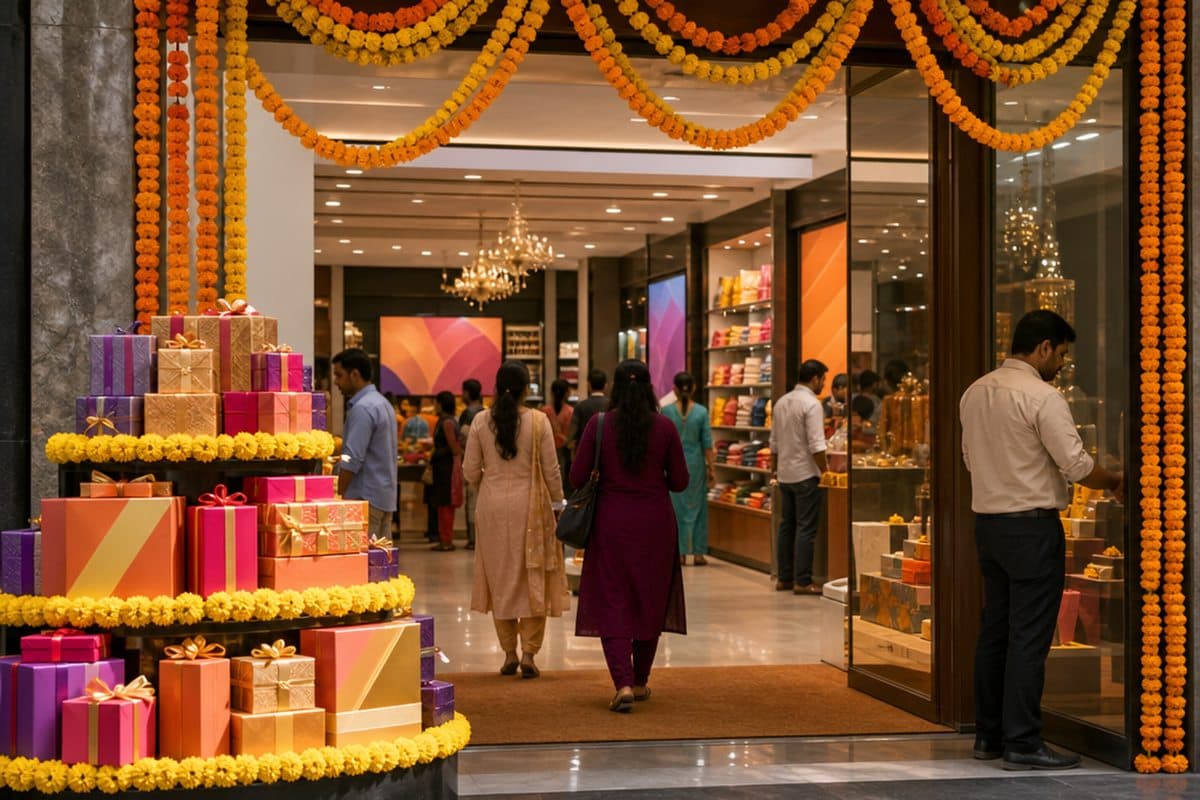
Retail merchandising services encompass the strategic planning, execution, and management of product displays, store layouts, and visual presentations designed to maximize sales and enhance customer satisfaction. It is both an art and a science—presenting products in ways that capture attention, communicate value, and motivate purchase decisions.
A significant portion of purchasing decisions are made at the point of sale, with visual merchandising playing a major role in influencing those choices. This underscores the critical importance of professional retail merchandising services for any retail business looking to optimize in-store performance.
Key Components of Retail Merchandising Services
Effective merchandising services involve multiple integrated elements working together to drive results.
- Visual Display Design: Creating compelling product presentations using color psychology, lighting, signage, and spatial arrangement to capture attention and communicate brand messages effectively.
- Strategic Product Placement: Positioning high-margin items, seasonal products, and bestsellers in prime locations to maximize impulse purchases and cross-selling opportunities.
- Store Layout Optimization: Designing customer flow patterns that guide shoppers through the store naturally, maximizing product exposure and dwell time in key areas.
- Planogram Management: Implementing standardized product arrangement systems across all locations to ensure consistency and optimize shelf space utilization.
- Point-of-Sale Merchandising: Creating strategic displays at checkout areas and high-traffic zones to capture last-minute purchase opportunities.
- Inventory Coordination: Managing stock levels to prevent out-of-stocks and overstocking, ensuring shelves remain visually appealing and well-stocked at all times.
- Performance Measurement: Tracking sales data, foot traffic patterns, and customer behavior to measure effectiveness and guide continuous optimization.
Why Are Retail Merchandising Services Important?
In today’s competitive retail environment, effective merchandising services directly impact your bottom line and customer loyalty. The difference between thriving retailers and underperforming ones often comes down to merchandising excellence.
- Drives Sales Growth: Strategic merchandising increases conversion rates and boosts average transaction values through optimized product placement and enhanced visibility.
- Enhances Customer Experience: Well-organized stores with intuitive layouts and attractive displays create positive shopping experiences that build loyalty and encourage repeat visits.
- Builds Brand Identity: Consistent visual merchandising across all locations strengthens brand recognition and creates memorable experiences that differentiate your business.
- Increases Customer Engagement: Strategic displays and product positioning encourage customers to explore more products, spend longer in-store, and discover items they did not initially seek.
- Optimizes Space Efficiency: Professional merchandising maximizes revenue per square foot by ensuring every retail space works efficiently to generate sales.
- Reduces Return Rates: Clear product information and realistic visual presentations set proper customer expectations, reducing returns and improving satisfaction.
Measuring Success: Key Performance Indicators
Understanding merchandising impact requires tracking specific metrics that indicate business results.
- Sales Per Square Foot: Measures how effectively your retail space generates revenue and identifies underperforming zones.
- Conversion Rate: The percentage of store visitors who make a purchase, directly influenced by merchandising quality and product accessibility.
- Average Transaction Value: Higher values indicate successful cross-selling and upselling through strategic product placement.
- Inventory Turnover Rate: Faster turnover indicates products are selling well and merchandising strategies are aligned with customer demand.
- Customer Foot Traffic: Tracks store visits and movement patterns to identify which displays attract the most attention.
- Product Velocity: Measures how quickly specific products sell, identifying successful and unsuccessful placements.
Real-World Examples of Effective Retail Merchandising
Different retail sectors apply merchandising principles in unique ways to achieve strong results.
Fashion and Apparel Retail
- Color-organized merchandise creates visual impact and helps customers quickly locate desired items while discovering complementary pieces.
- Feature displays showcasing complete outfits inspire coordinated purchases and increase average transaction values.
- Strategic fitting room placement near high-margin items drives impulse purchases and add-on sales.
- Seasonal window displays create compelling reasons for customers to enter and explore new collections.
Grocery and Supermarket Retail
- Placing essential staples at the store back encourages customers to walk through the entire store and discover higher-margin specialty items.
- End-cap displays feature promotional items and new products in premium shelf positions that capture shopper attention.
- Complementary product grouping encourages basket-building by displaying related items together, increasing overall spending per transaction.
- Clear pricing and signage reduce customer decision paralysis and build confidence in purchasing decisions.
In India's traditional trade, those fundamentals get harder because assortments are tighter and shelf ownership is more fluid. Brands selling through kirana and neighbourhood outlets need disciplined general trade shelf execution to keep core SKUs visible, reduce out-of-stocks, and maintain PoSM consistency across small-format stores.
Electronics and Technology Retail
- Interactive demo stations allow customers to test products hands-on, reducing purchase anxiety and increasing confidence in high-value items.
- Lifestyle displays show products in real-world contexts, helping customers visualize how technology fits into their daily lives.
- Specification displays and comparison charts support customer research and reduce decision-making time for complex purchases.
Home and Furniture Retail
- Room-setting displays showcase complete design solutions, helping customers envision products in their own spaces.
- Strategic vertical space utilization maximizes product display in limited floor space while creating visual drama.
- Clear wayfinding and signage help customers navigate large-format stores and locate desired categories efficiently.
Responsibilities of Retail Merchandising Professionals
Expert merchandisers manage multiple critical responsibilities to ensure merchandising excellence across all touchpoints.
Display Planning and Execution
- Developing comprehensive visual merchandising plans aligned with seasonal campaigns, promotions, and brand guidelines.
- Creating eye-catching display designs incorporating color theory, lighting, composition, and psychological principles.
- Installing and maintaining displays to ensure they remain clean, organized, and visually appealing throughout their campaign period.
- Monitoring market trends and competitor activities to keep displays fresh, relevant, and competitive.
Store Audits and Quality Assurance
- Conducting regular store audits to verify merchandising standards and compliance with brand guidelines.
- Identifying and addressing issues such as out-of-stock conditions, misplaced products, or damaged displays.
- Ensuring pricing accuracy, signage consistency, and promotional compliance across all retail locations.
- Documenting findings and providing actionable feedback to store teams for continuous improvement.
Team Training and Leadership
- Training store staff on proper product handling, display techniques, and customer engagement strategies.
- Mentoring sales teams on how merchandise presentation directly impacts customer decisions and final sales.
- Collaborating with store managers to align merchandising strategies with sales targets and business objectives.
Analytics and Reporting
- Analyzing sales data to identify which displays and product placements drive highest revenue and engagement.
- Preparing detailed merchandising reports with insights and actionable recommendations for optimization.
- Tracking key performance indicators to measure impact and justify continued investment in merchandising services.
Benefits of Partnering with Retail Merchandising Experts
Retailers who engage professional merchandising services gain significant competitive advantages and measurable business results.
- Immediate Sales Impact: Professional merchandisers drive sales uplift through optimized layouts, strategic placement, and enhanced visual appeal across your store network.
- Consistent Brand Presentation: Unified merchandising standards across all locations strengthen brand identity and improve customer recognition regardless of which store they visit.
- Reduced Operating Costs: Outsourcing merchandising eliminates overhead costs of maintaining full-time specialist staff while providing access to deep domain expertise.
- Time and Resource Efficiency: Internal teams can focus on core retail operations while experts handle complex merchandising strategy and execution.
- Industry Expertise Access: Benefit from professionals who understand retail psychology, design trends, and proven merchandising techniques developed across hundreds of deployments.
- Scalability and Flexibility: Easily adjust merchandising support based on seasonal demands, expansion plans, or market opportunities without long-term hiring commitments.
- Data-Driven Optimization: Professional partners provide detailed analytics and reporting that demonstrate clear impact and inform ongoing strategy refinement.
Retail Merchandising Trends Shaping the Future
The retail merchandising landscape continues to evolve as consumer preferences and technology transform shopping experiences.
Omnichannel Visual Consistency
Leading retailers are aligning physical store merchandising with digital channels to create seamless brand experiences. In-store displays, online product presentation, and social media content all reinforce consistent messaging and brand identity across every customer touchpoint.
Technology-Integrated Merchandising
Digital signage, interactive displays, and augmented reality applications are transforming in-store experiences. Dynamic displays allow real-time price updates and promotional changes, while AR try-on technology reduces purchase hesitation and enhances the shopping journey.
Sustainability-Focused Presentation
Eco-conscious consumers increasingly prefer sustainable brands. Forward-thinking retailers highlight eco-friendly products, use recyclable display materials, and tell sustainability stories through compelling visuals that resonate with environmentally aware shoppers.
Data-Driven Personalization
Advanced analytics enable location-specific merchandising strategies based on local customer preferences and shopping behavior patterns. Heat mapping technology identifies high-traffic zones and optimal product placement, leading to more targeted and effective merchandising decisions.
Experiential Retail Design
Beyond product presentation, successful retailers create community spaces and experiential elements within stores. Pop-up experiences, product demonstrations, and educational workshops build emotional connections with customers and encourage extended visits.
Conclusion
Retail merchandising services have evolved from a support function into a core business strategy that directly impacts profitability and customer loyalty. In an increasingly competitive retail environment where consumers have numerous shopping options, strategic merchandising becomes a powerful way to stand out and deliver consistent results.
Whether you operate a single location or a multi-store chain, professional merchandising services deliver measurable outcomes: improved sales per square foot, higher conversion rates, better inventory turnover, and stronger brand identity across every touchpoint.
Key Takeaways:
- Retail merchandising services encompass display design, product placement, store layout optimization, planogram management, and performance tracking.
- Strategic merchandising directly influences customer purchasing decisions and drives measurable sales growth.
- Partnering with expert merchandising providers gives you access to specialized skills, scalability, and data-driven insights without the overhead of building in-house teams.
- Trends like omnichannel consistency, technology-integrated displays, and sustainability-focused presentation are shaping the future of retail merchandising.
- Consistent brand presentation across all locations strengthens customer trust and loyalty over time.
Investing in professional retail merchandising is one of the most effective ways to ensure your retail spaces work harder, engage customers more deeply, and deliver stronger business results.
