


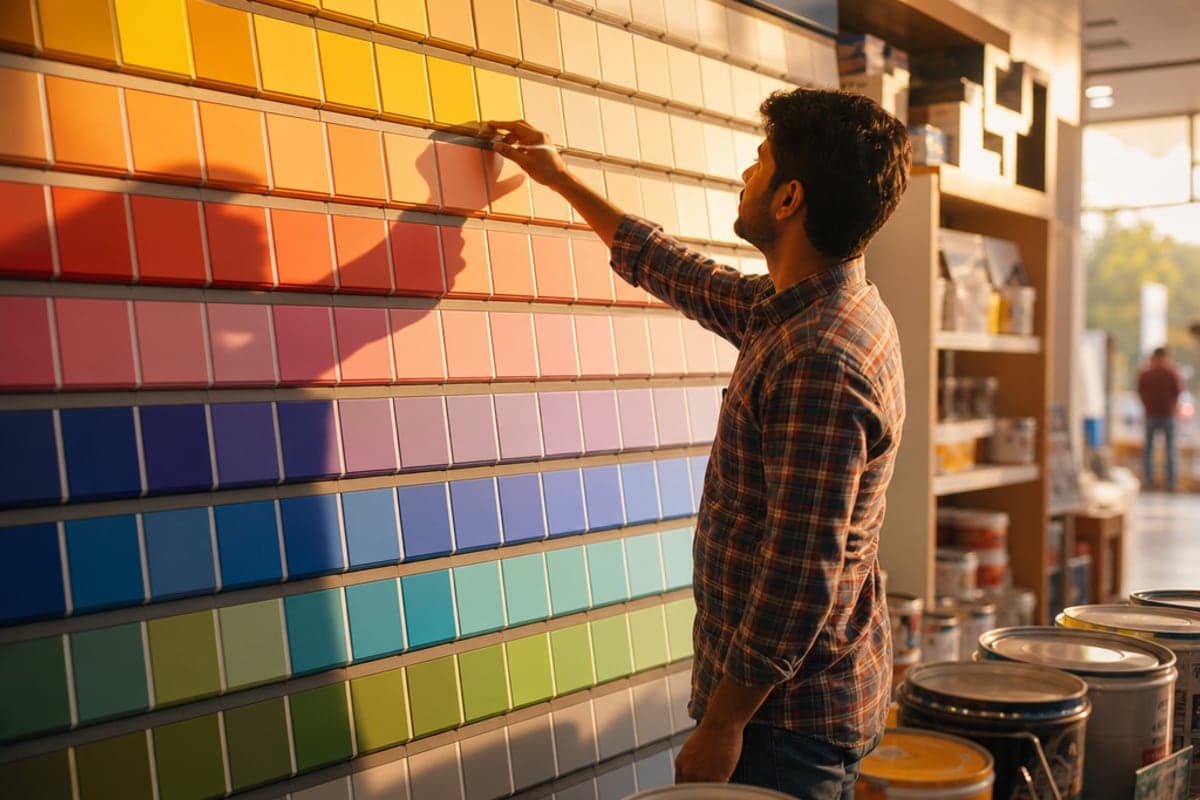
Retail is therapy. Clothes mannequins beckon you with the latest trends, strategically placed products catch your eye, and the overall ambience creates an inviting mood. And if you’re wondering whom I should thank for this free therapy, then it’s a visual merchandising firm.
What Does a Visual Merchandising Firm Do?
A visual merchandising firm is a specialised company that focuses on creating visually appealing shopping experiences. They utilize strategic design elements, such as store layout, product presentation, signage, and lighting, to attract customers, communicate brand stories, and ultimately drive sales.
1. Store Layout: The flow of customers through the store, the placement of key products, the lighting, the fixtures, the tables, and the panels—essentially, we monitor anything and everything you see inside the brand.
2. Signage: Clear and concise signage helps customers navigate the store and find what they're looking for. But we, as a visual merchandising firm, take it a step further. We use digital signage to add a touch of visual interest, customisable content, and local language capture.
Investing in visual merchandise firms goes beyond just looking at aesthetics. A good visual merchandising strategy makes subtle yet significant differences in your business. Want to know what they are?
Benefits of Investing in Visual Merchandising
Attracting Customers: Eye-catching displays are essential for drawing customers into the store. Strategically designed windows and in-store setups create an inviting ambiance that encourages customers to enter and explore. This initial attraction can significantly influence a customer's shopping journey.
Better Shopping Experience: A thoughtfully designed retail space enhances the overall shopping experience. Attractive and well-organised displays make it easier for customers to navigate the store, find products, and enjoy their time shopping, which increases the likelihood of making a purchase.
Highlighting Product Features: Effective visual merchandising draws attention to key features and benefits of products. By showcasing items in a manner that highlights their unique selling points, customers can make more informed purchasing decisions, which can lead to increased customer satisfaction and reduced return rates.
Communicating Brand Identity: Visual merchandising is a powerful tool for conveying a brand’s identity. Elements such as colour schemes, thematic displays, and signage reflect the brand’s personality and messaging, helping to create a cohesive and recognisable brand image that resonates with customers.
Differentiation from Competitors: Unique and innovative visual merchandising sets a brand apart from its competitors. By creating distinctive displays and shopping environments, a brand can attract attention, create a memorable impression, and foster customer loyalty.
Boosting Sales: Strategic placement and presentation of products can significantly impact sales. Highlighting bestsellers, new arrivals, and promotional items in prime locations can drive sales and maximise revenue by encouraging impulse buys and drawing attention to high-margin products.
Creating a Memorable Experience: Memorable visual merchandising contributes to a positive shopping experience that customers are likely to remember and share with others. Unique and engaging displays can turn shopping into an enjoyable activity, encouraging repeat visits and positive word-of-mouth recommendations.
Alignment with Marketing Campaigns: Visual merchandising aligns with broader marketing campaigns to reinforce messaging and drive sales. By coordinating in-store displays with marketing themes and promotions, retailers can create a unified and compelling message that enhances the effectiveness of their marketing efforts.
Optimising Store Space: Efficient use of space through visual merchandising ensures that every square foot of the store is used optimally. Proper arrangement of products can lead to better traffic flow, increased visibility of merchandise, and a more organised shopping environment.
Staying Current with Trends: Keeping visual merchandising up-to-date with current trends is essential for maintaining customer interest. Adapting displays to reflect seasonal changes, fashion trends, and cultural events helps keep the store's offerings fresh and appealing, attracting trend-conscious customers.
What to Look for in a Visual Merchandising Firm
Retail expertise: A team that understands the retail landscape can build a merchandising strategy around a specific brand identity and set of business goals, rather than applying a template to every store.
Technology-enabled execution: Real-time reporting, data analysis and performance tracking turn merchandising from guesswork into a measurable activity, and make it possible to see how execution is actually holding up across a large estate of stores.
Support at every stage: The strongest partners cover the full lifecycle — concept, execution and continuous performance monitoring — so that what was designed at head office is what a customer eventually sees at every touchpoint.
Flexibility and scale: Requirements shift with seasons, campaigns and budgets, so services that can flex up or down keep merchandising aligned to the plan instead of the other way round.
Outsourcing to a specialised firm gives a brand access to that expertise without building it in-house, and frees internal teams for other work. Done well, visual merchandising is not decoration — it is a working part of the store that shapes how customers move, what they notice and what they finally buy.
