
B2B Omnichannel Retailing Trends: Key Strategies for Seamless Retail


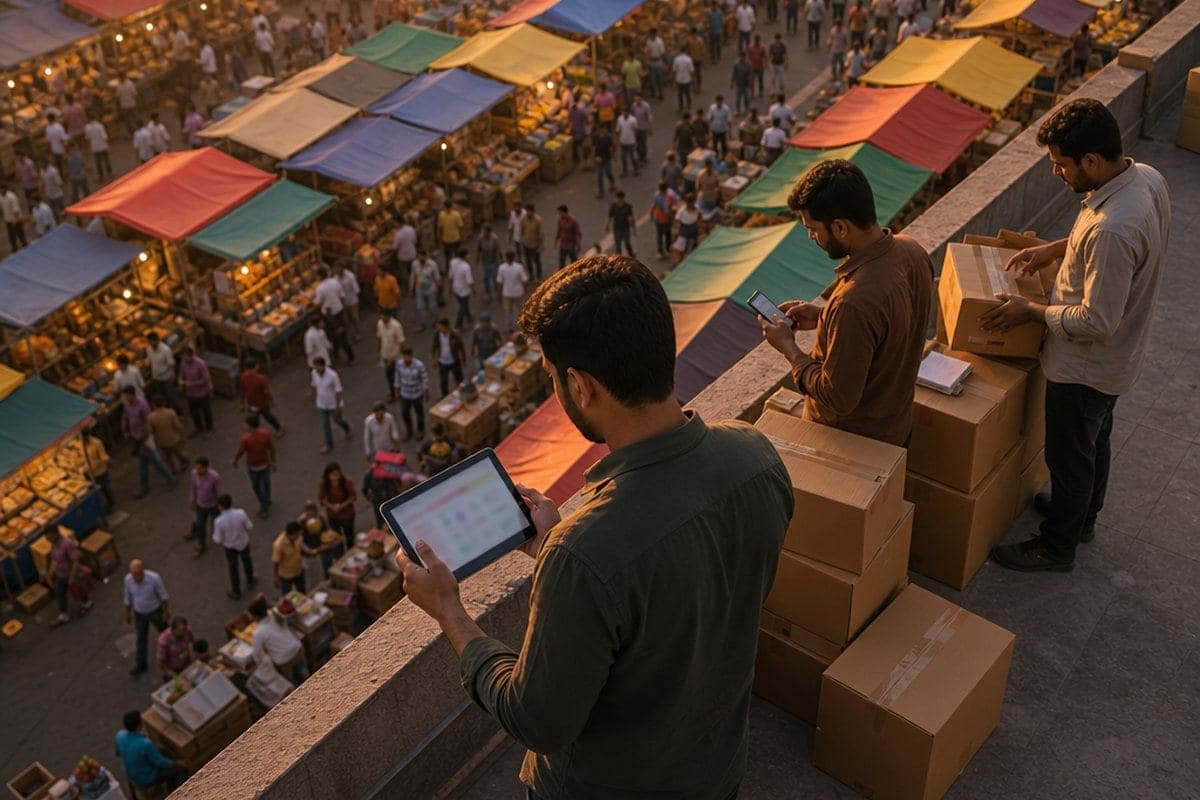
Today's B2B buyers expect the same seamless, connected experience they enjoy as consumers. They research products online, compare options on mobile, consult sales representatives, and place orders through digital portals—often within a single purchase journey. For brands and retailers, meeting these evolving expectations requires a well-integrated omnichannel retailing strategy.
The shift toward omnichannel is not just about being present on multiple platforms. It is about creating a unified experience where every channel works together—sharing data, maintaining context, and delivering consistency. This post explores the most important B2B omnichannel retailing trends and how forward-thinking brands are putting them into practice.
What Is B2B Omnichannel Retailing?
B2B omnichannel retailing is an integrated approach where businesses provide seamless customer experiences across multiple channels—online, mobile, in-store, and through sales representatives. Unlike multichannel retailing, where each channel operates independently, omnichannel ensures that all touchpoints are connected. A buyer can start browsing products on a mobile app, continue the conversation with a field sales representative, and complete the order through a web portal—all without losing context.
This matters because B2B purchase decisions are typically more complex, involve multiple stakeholders, and require deeper product knowledge than B2C transactions. An omnichannel approach ensures that every interaction adds value rather than creating friction.
Key Advantages of B2B Omnichannel Retailing
Adopting an omnichannel strategy offers several tangible benefits for B2B brands and retailers:
- Higher Customer Loyalty: When buyers can engage with a brand on their preferred channel without friction, they are more likely to return. A consistent experience builds trust and long-term relationships.
- Better Information Access: B2B buyers often need detailed product specifications, pricing, and availability data before placing an order. An omnichannel approach ensures this information is accurate and accessible across every touchpoint.
- Improved Customer Comfort: Giving buyers the flexibility to choose how they interact—whether through a self-service portal, a chatbot, or a sales representative—reduces friction and improves satisfaction.
- Deeper Understanding of Pain Points: Integrated channels generate connected data, making it easier to identify where buyers face challenges and how to address them proactively.
Top B2B Omnichannel Retailing Trends
1. The Rise of the Phygital Experience
The term "phygital" captures the blending of physical and digital retail experiences. In a B2B context, this means showrooms equipped with interactive digital catalogs, QR codes that link to detailed product specifications, and in-store tablets that let buyers check real-time inventory and place orders on the spot.
The goal is to give B2B buyers the tactile, hands-on experience of a physical showroom combined with the speed and depth of digital information. Brands that successfully merge these two worlds create a more engaging and efficient buying process.
2. Plugging Leakages and Improving Efficiency
Manual processes in B2B ordering—such as a salesperson taking handwritten orders at each store—are prone to errors. A wrong entry can trigger an entire return and reorder cycle. Technology integration helps brands digitise this process. Store owners can place orders using chatbots or self-service portals, freeing up sales representatives to focus on building meaningful relationships rather than managing paperwork.
Integrated technology solutions such as CRM, Sales Force Automation, and loyalty programs converge to create a holistic view of the customer journey. 1Channel, the sister company of Channelplay, offers a comprehensive retail channel-tech stack that seamlessly integrates these crucial components, empowering businesses to make data-driven decisions and enhance customer experiences.
3. First-Party Data Takes Centre Stage
As the era of third-party cookies continues to wind down, brands are placing greater emphasis on collecting and leveraging their own first-party data. Integrated CRM and loyalty platforms allow retailers to build detailed customer profiles directly from their interactions—purchase history, browsing behaviour, support queries, and channel preferences.
This shift makes first-party data strategies essential for any brand serious about omnichannel success. The brands that invest in robust data infrastructure now will be better positioned to personalise experiences and anticipate customer needs.
4. Low-Touch Distribution
B2B buyers increasingly prefer self-service options for routine purchases. Low-touch distribution models—where buyers can browse catalogs, check pricing, and reorder through digital portals without needing to interact with a sales representative—are gaining traction. This approach reduces operational costs while giving buyers the convenience and speed they expect.
For non-routine or complex purchases, the human element remains critical. The key is offering the right level of support for each type of transaction.
5. The Showroom Reimagined
Traditional B2B showrooms are evolving into experience centres. Rather than simply displaying products, reimagined showrooms use digital signage, interactive displays, and augmented reality to help buyers visualise how products will perform in their own environments. This trend is particularly relevant for categories like consumer electronics, FMCG, and fashion where hands-on evaluation drives purchase confidence.
6. Beyond Personalisation: Contextual Engagement
Basic personalisation—such as addressing buyers by name—is table stakes. The next frontier is contextual engagement, where every interaction is tailored based on the buyer's current stage in the purchase journey, past behaviour, and real-time context. For example, a returning buyer who previously browsed a specific product category might see tailored recommendations and relevant case studies the moment they log in to the portal.
7. BOPIS: Embracing Convenience
Buy Online, Pick Up In-Store (BOPIS) is not just a B2C trend. B2B retailers are adopting this model to combine the convenience of online ordering with the immediacy of in-store pickup. BOPIS creates opportunities for cross-selling and upselling, as buyers may explore additional products while collecting their order. It also reduces shipping costs and delivery wait times for time-sensitive purchases.
How to Implement Omnichannel in Your Retail Operations
Putting omnichannel into practice requires more than adopting new tools. It demands a coordinated approach across people, processes, and technology. Here are the core pillars:
1. Integration of Digital and Physical Elements
Ensure that your online store, mobile app, field sales team, and physical showroom share the same product information, pricing, and inventory data. Inconsistencies across channels erode buyer trust.
2. QR Integration
Deploy QR codes in physical locations—showrooms, packaging, and point-of-sale materials—to bridge the gap between offline and online. A quick scan can take a buyer to detailed product specs, video demos, or a reorder portal.
3. End-to-End Branding
Maintain consistent brand messaging, visual identity, and tone across every channel. Whether a buyer interacts through a chatbot, a sales representative, or a self-service portal, the experience should feel cohesive.
4. Sales Training
The role of the salesperson has evolved from order-taker to product consultant. Invest in training your sales force to provide meaningful, consultative interactions that complement the information buyers can access digitally.
5. Omnichannel Loyalty Programs
Design loyalty programs that work seamlessly across channels. A buyer who engages through your app, places orders through a field representative, and visits your showroom should accumulate and redeem rewards consistently across all touchpoints. Channelplay's expertise in loyalty management helps brands build programs that drive sustained engagement across the entire channel ecosystem.
The Role of Social Commerce in B2B Omnichannel
Social media platforms have evolved beyond marketing channels into genuine commerce touchpoints. B2B brands are leveraging platforms like LinkedIn and Instagram to build communities, share product insights, and even facilitate ordering. The key is creating compelling content that positions your brand as a trusted advisor rather than just a vendor.
By interacting with customers through social channels, retailers can strengthen brand relationships and gather valuable feedback. This social layer adds another dimension to the omnichannel experience, meeting buyers where they already spend their time.
Conclusion
B2B omnichannel retailing is no longer a forward-looking ambition—it is an operational necessity for brands that want to remain competitive. The trends outlined above—from phygital experiences and first-party data strategies to BOPIS and contextual engagement—represent the direction in which successful retailers are heading.
Key Takeaways:
- Omnichannel retailing integrates all channels into a unified buyer experience, going well beyond simply being present on multiple platforms
- The phygital experience—combining physical showrooms with digital tools—creates more engaging and efficient B2B buying journeys
- First-party data collection through integrated CRM and loyalty programs is becoming essential as third-party cookies phase out
- Low-touch distribution and self-service portals give buyers speed and convenience for routine orders while freeing up sales teams for consultative selling
- Omnichannel loyalty programs ensure consistent customer engagement and reward accumulation across every touchpoint
Brands that invest in integrating their channels, training their teams, and building robust data infrastructure today will be the ones that lead their categories tomorrow.
