
Prevent Hotel Fraud with Mystery Shopping Audits


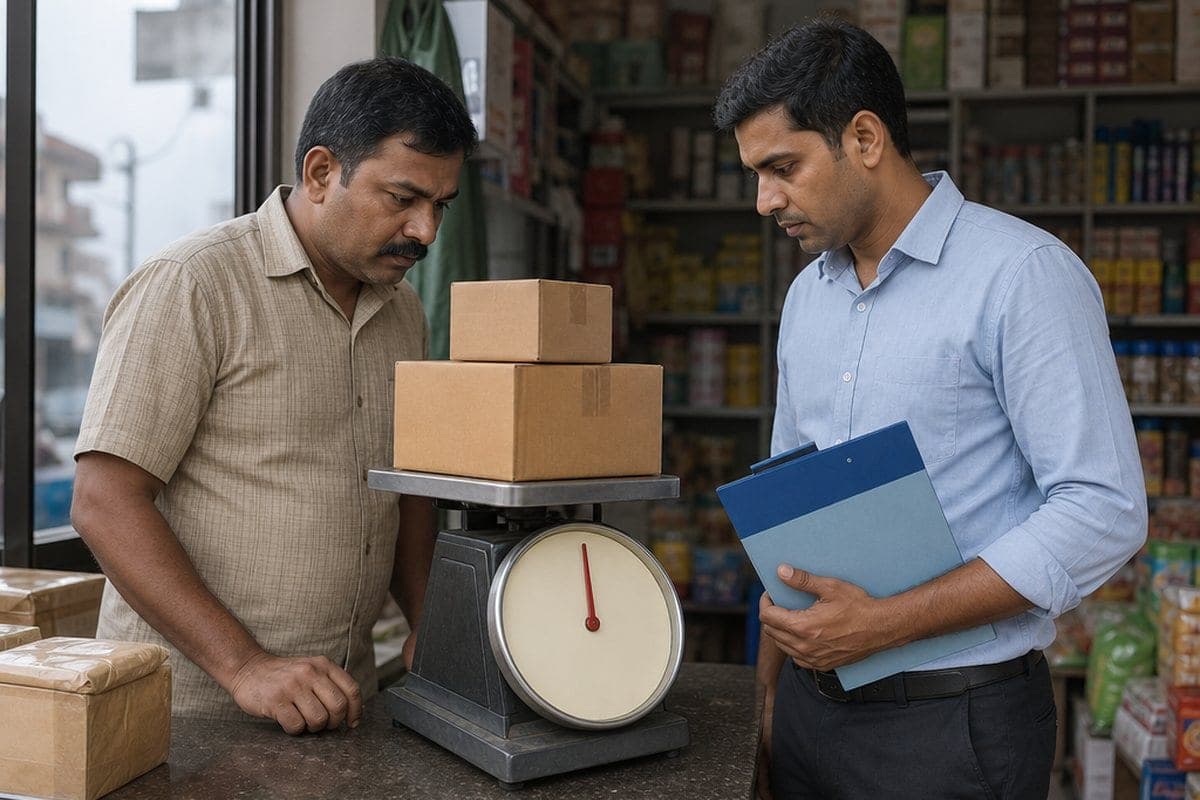
Hotel fraud is a persistent operational challenge that can silently drain revenue and erode guest trust. From unrecorded cash transactions to unauthorised room arrangements, fraudulent practices can take root when direct oversight is limited. Mystery shopping audits offer a structured, undercover approach to identifying these vulnerabilities before they escalate into serious financial and reputational problems.
In this guide, we explore how mystery shopping audits work in the hospitality industry, the common types of hotel fraud they uncover, and how hotels can build a robust fraud prevention framework using these evaluations.
Why Hotel Fraud Is a Growing Concern
As hotel chains expand through franchise and management contract models, maintaining uniform operational standards across every property becomes increasingly difficult. The physical distance between ownership and day-to-day operations creates gaps that can be exploited.
Common challenges that contribute to hotel fraud include:
- Decentralised operations: Franchise models mean hotel owners often have limited visibility into daily transactions and staff behaviour at individual properties.
- High cash transaction volumes: Hotels handle significant cash flows across front desk, F&B, spa, and housekeeping departments, making it easier for irregularities to go unnoticed.
- Seasonal staffing changes: Frequent staff turnover, especially during peak seasons, can weaken internal controls and accountability.
- Limited audit frequency: Traditional audits happen periodically, leaving long intervals where fraudulent activity can go undetected.
These factors make it essential for hotel operators to adopt proactive, real-world evaluation methods rather than relying solely on periodic financial reviews.
How Mystery Shopping Audits Detect Hotel Fraud
Mystery shopping audits place trained evaluators in the role of genuine hotel guests. They go through real booking, check-in, service, and check-out processes while discreetly assessing staff behaviour and compliance with standard operating procedures.
Here are the key fraud scenarios that mystery shopping audits are designed to uncover:
Cash Payments Without Billing
Evaluators test whether staff accept cash payments without generating an official bill or receipt. This practice allows revenue to be diverted away from the hotel's books, often to evade tax obligations or pocket the amount directly.
Unauthorised Room Rate Manipulation
Mystery shoppers check whether rooms are offered at discounted or off-the-record rates for short stays, without proper documentation in the property management system. This creates unreported revenue streams that bypass official accounting.
Irregular Check-In and Check-Out Practices
Auditors evaluate whether early check-ins or late check-outs are granted in exchange for direct cash payments to staff, circumventing the hotel's standard policies and billing system.
Payments to Personal Accounts
Evaluators attempt transactions to determine if any staff members accept payment through personal bank accounts, UPI IDs, or other non-official payment channels instead of the hotel's authorised payment systems.
Inventory Diversion
Mystery shoppers verify whether hotel inventory items such as linens, toiletries, minibar stock, or F&B supplies are being sold or provided to guests for cash without proper billing or inventory records.
Unauthorised Guest Registration
Auditors assess whether additional guests are checked into rooms without proper identity verification or official registration, which can create both compliance risks and safety concerns.
Benefits of Mystery Shopping Audits for Hotels
Integrating fraud detection into mystery shopping programs delivers value that extends well beyond catching dishonest behaviour. Here are the key advantages:
- Revenue Protection: By identifying and closing gaps where revenue leaks occur, hotels safeguard their financial health and ensure that all transactions are properly recorded.
- Staff Accountability: When employees know that mystery audits are part of the operational framework, it creates a culture of transparency and adherence to standard procedures.
- Brand Integrity: Consistent service standards across all properties, whether owned or franchised, protect the hotel brand from reputational damage caused by unethical practices.
- Regulatory Compliance: Proper billing, guest registration, and documentation practices help hotels remain compliant with tax authorities and local regulations.
- Guest Trust: A hotel that operates with integrity delivers a consistently reliable experience, which builds long-term guest loyalty and positive reviews.
- Actionable Insights: Mystery shopping reports provide specific, evidence-based findings that hotel management can act on immediately, rather than relying on assumptions or delayed audits.
Building a Customised Mystery Shopping Program for Fraud Prevention
An effective mystery shopping audit program for fraud detection should be tailored to each hotel's unique operational structure and risk areas. Here is a step-by-step approach:
Step 1: Identify High-Risk Touchpoints
Map out every guest-facing and transaction-related touchpoint across the hotel, including front desk, room service, restaurant, bar, spa, housekeeping, and parking. Determine where cash handling, billing, and registration take place.
Step 2: Design Realistic Audit Scenarios
Create evaluation scenarios that mirror real guest situations. For example, a mystery shopper might request a room for a few hours, offer to pay cash without a bill, or ask for a late checkout with a direct tip. The scenarios should test specific fraud vulnerabilities identified in Step 1.
Step 3: Deploy Trained Evaluators
Work with a professional mystery shopping partner that has evaluators experienced in hospitality settings. These evaluators should behave as natural guests while following a structured checklist to assess compliance and integrity.
Step 4: Analyse and Report Findings
After each audit cycle, compile detailed reports that highlight compliance scores, specific incidents, and areas of concern. Include photographic or documentary evidence where possible to support findings.
Step 5: Implement Corrective Actions
Use the findings to update SOPs, conduct targeted staff training, and strengthen internal controls. Share anonymised results with property managers to drive accountability without creating a punitive culture.
Step 6: Schedule Regular Audits
Fraud prevention is not a one-time exercise. Schedule mystery shopping audits at regular intervals, varying the timing and scenarios to prevent predictability and ensure ongoing compliance.
What Makes Hospitality Mystery Shopping Different from Retail?
While the core principle of undercover evaluation remains the same, hospitality mystery shopping differs from retail in several important ways:
- Extended evaluation window: Hotel audits often span overnight stays or multi-day visits, unlike retail visits that last minutes. This provides a more comprehensive picture of operations.
- Multiple service touchpoints: A single hotel stay involves interactions across reservations, front desk, housekeeping, dining, and checkout, each requiring separate evaluation criteria.
- Higher financial exposure: Individual hotel transactions tend to involve larger amounts than typical retail purchases, making fraud detection at each touchpoint critical.
- Compliance complexity: Hotels must adhere to guest registration laws, tax regulations, and safety standards that go beyond standard retail compliance requirements.
- Service experience depth: Beyond fraud, hospitality audits also evaluate service quality, ambience, cleanliness, and guest experience holistically.
Conclusion
Hotel fraud thrives in environments with limited oversight and inconsistent monitoring. Mystery shopping audits provide a practical, evidence-based approach to identifying vulnerabilities across every guest touchpoint, from reservation to checkout. By combining fraud detection with service quality evaluation, these audits help hotel operators protect revenue, maintain brand integrity, and deliver consistently trustworthy guest experiences.
Key Takeaways:
- Mystery shopping audits simulate real guest experiences to uncover fraud at every operational touchpoint in a hotel.
- Common fraud scenarios include unbilled cash payments, unauthorised rate manipulation, personal account transactions, and inventory diversion.
- A well-designed program involves identifying high-risk areas, deploying trained evaluators, and scheduling regular audit cycles to prevent predictability.
- Beyond fraud detection, these audits also strengthen service quality, regulatory compliance, and guest trust.
- Hotels should use audit findings to update SOPs, train staff, and drive a culture of transparency and accountability.
For hotel operators looking to safeguard their properties and ensure operational integrity, mystery shopping audits are a proven and effective strategy that delivers measurable results.
