
Digital Kiosk Displays in Retail: Types, Benefits & Use Cases


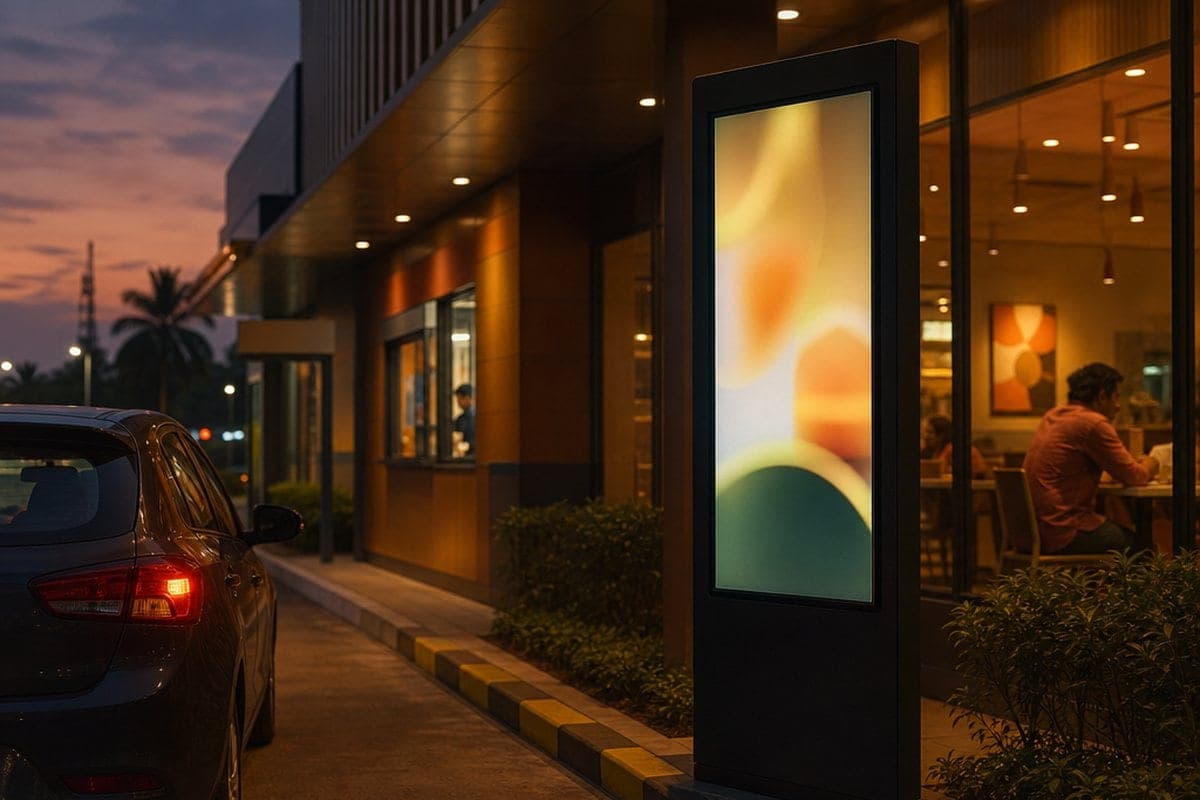
Digital kiosks are interactive touch-screen displays that provide information, services, and entertainment to users across a wide range of locations -- from airports and malls to hospitals and retail stores. These systems can be customised to suit the needs of different businesses, making them a versatile tool for engaging customers and improving the overall user experience.
For retailers, a digital kiosk display is more than just an information hub. It is a dynamic tool that transforms in-store environments by blending innovation with convenience. Initially designed for basic information delivery, these displays have evolved significantly, now enhancing customer engagement, streamlining transactions, and creating memorable shopping experiences.
In this guide, we explore the different types of digital kiosk displays available, the industries that benefit most from them, their key advantages, and what the future holds for this technology in retail.
Why Are Digital Kiosk Displays Gaining Traction in Retail?
Digital kiosk displays are gaining popularity across retail environments for several compelling reasons. They address common pain points while opening new avenues for customer interaction and operational efficiency.
- Interactive Customer Engagement: Kiosks offer touch-screen platforms where shoppers can browse products, access detailed information, and interact with branded content at their own pace.
- Streamlined Operations: Self-service options for checkout, order placement, and information retrieval reduce queue times and free up staff for higher-value tasks.
- Real-Time Content Updates: Retailers can push dynamic promotions, seasonal offers, and announcements instantly across all kiosk displays without manual intervention.
- Data-Driven Insights: Kiosks capture valuable data on customer interactions, preferences, and behaviour patterns, enabling retailers to make informed decisions about merchandising and marketing.
- Reduced Wait Times: By enabling customers to help themselves, kiosks address one of the most common sources of dissatisfaction in retail -- long queues.
Types of Digital Kiosk Displays in Retail
Digital kiosks serve a variety of functions depending on the retail context. Understanding the different types helps retailers choose the right solution for their specific needs. Effective use of digital signage spans interactive catalogues, self-service checkouts, wayfinding assistance, and dynamic promotional displays.
1. Information Kiosks
Ideal for retailers with extensive product catalogues, information kiosks provide details about products, services, store policies, and ongoing promotions. They serve as always-available assistants that customers can consult without waiting for staff.
2. Wayfinding Kiosks
Large retail spaces such as shopping malls, airports, and multi-level department stores benefit from wayfinding kiosks. These interactive maps help customers navigate to specific stores, departments, or facilities, reducing frustration and improving the overall visit experience.
3. Product Discovery Kiosks
These kiosks help customers explore and discover products based on their preferences, budget, or intended use. They are particularly valuable for electronics and fashion retailers where product ranges are extensive and comparison shopping is common.
4. Self-Service Checkout Kiosks
Self-checkout kiosks empower customers to scan, bag, and pay for items independently. They are widely used in grocery stores, convenience outlets, and quick-service retail environments where speed and convenience are priorities.
5. Digital Signage Kiosks
Designed primarily for visual communication, digital signage kiosks display promotions, advertisements, brand stories, and announcements. They engage customers visually and can be updated remotely to reflect current campaigns.
6. Ordering and Pickup Kiosks
Common in restaurants, quick-service outlets, and retail stores with click-and-collect services, these kiosks facilitate convenient order placement and pickup scheduling, reducing counter congestion.
7. Survey and Feedback Kiosks
Placed near store exits or service counters, feedback kiosks gather customer opinions in real time. This data helps retailers identify pain points and continuously improve their offerings.
8. Interactive Display Kiosks
These kiosks engage customers with immersive content such as virtual try-ons, product configurators, and interactive lookbooks. They are especially popular in the fashion, beauty, and home furnishing sectors.
Industries That Benefit Most from Digital Kiosk Displays
While digital kiosks originated in select sectors, their versatility has led to adoption across a wide range of industries. Here are some of the sectors seeing the greatest impact.
- Large Retail Chains: Manage extensive product ranges efficiently and enhance customer engagement with product discovery and information kiosks.
- Grocery Stores: Self-checkout kiosks reduce queue times and improve the overall shopping experience during peak hours.
- Electronics Stores: Product comparison and discovery kiosks help customers evaluate options across complex product categories.
- Fashion Retailers: Interactive display kiosks with virtual try-on capabilities enhance the shopping journey and reduce fitting room congestion.
- Restaurants and Quick-Service Outlets: Ordering kiosks streamline the ordering process, reduce errors, and improve kitchen efficiency.
- Schools and Universities: Digital signage kiosks serve as communication hubs for announcements, event promotions, and campus navigation.
- Healthcare Facilities: Patient check-in kiosks, wayfinding displays, and information terminals improve the visitor experience in hospitals and clinics.
Key Benefits of Digital Kiosk Displays in Retail
Investing in digital kiosk displays delivers tangible advantages across both customer experience and business operations. Here are the most significant benefits retailers can expect.
Enhanced Customer Experience
Digital kiosk displays offer interactive features that guide and inform customers throughout their shopping journey. From personalised product recommendations to engaging branded content, kiosks create a more satisfying and memorable in-store experience.
Increased Operational Efficiency
By enabling self-service options for checkout, information retrieval, and order placement, digital kiosks reduce the burden on store staff. This allows team members to focus on higher-value activities such as personalised customer service and visual merchandising.
Round-the-Clock Availability
Unlike human staff, kiosks operate continuously without breaks. They provide customers with access to information, promotions, and services at any time, meeting modern expectations for convenience and accessibility.
Cost Optimisation
Automating routine tasks such as checkout and information delivery reduces the need for additional staffing, particularly during peak periods. This helps retailers manage operational costs while maintaining consistent service quality.
Real-Time Data and Analytics
Every customer interaction with a kiosk generates data. Retailers can analyse this information to understand customer preferences, identify popular products, and optimise store layouts and marketing strategies accordingly.
Dynamic Content Management
Kiosks enable retailers to display visually compelling content -- promotions, new arrivals, seasonal campaigns -- that can be updated remotely and instantly. This ensures customers always see the most relevant and timely information. Learn more about why upgrading to digital signage is a smart investment.
Flexibility and Customisation
Content on digital kiosks can be easily tailored to reflect seasonal promotions, new product launches, regional preferences, or changing market trends. This flexibility ensures that displayed information remains relevant and impactful.
Improved In-Store Communication
Kiosks provide instant access to product details, store layouts, pricing, and availability information. This enhances customer interaction and satisfaction by offering clear, on-demand communication channels.
The Future of Digital Kiosks in Retail
Digital kiosk technology continues to evolve rapidly, and several trends are shaping the next generation of in-store experiences.
- AI-Powered Personalisation: Future kiosks will leverage artificial intelligence to deliver tailored product recommendations based on individual customer preferences and purchase history.
- Augmented Reality Integration: AR-enabled kiosks will allow customers to visualise products in real-world contexts -- trying on clothing virtually, previewing furniture in their homes, or testing cosmetic shades before purchase.
- Contactless Interactions: Touchless interfaces using gesture recognition, voice commands, and mobile connectivity will become increasingly common, offering safer and more hygienic shopping interactions.
- Advanced Analytics: Deeper integration with retail analytics platforms will help retailers understand customer behaviour at a granular level, enabling more precise marketing, inventory management, and store layout decisions.
- Omnichannel Integration: Kiosks will increasingly bridge the gap between online and offline retail, enabling customers to check online inventory, place orders for home delivery, or schedule click-and-collect from within the store.
What to Look for in a Kiosk Deployment Partner
A kiosk deployment depends on strategic placement, seamless integration with existing systems, and ongoing support as much as on the unit itself. Whichever provider a retailer works with, these are the capabilities worth confirming before a rollout begins.
- End-to-End Deployment: site surveys, hardware selection, content strategy and installation handled as one workstream rather than split across suppliers who each own a fragment.
- Scalable Solutions: the same process should hold for a single flagship store and for a pan-India rollout, supporting rapid, reliable deployment at scale.
- Technology-Led Approach: high uptime, remote content management and real-time performance monitoring across the whole estate, not per-site intervention.
- Ongoing Support: proactive signage maintenance and troubleshooting, so a kiosk sitting out of service does not work against the customer experience it was installed to improve.
Conclusion
Digital kiosk displays have moved well beyond their origins as simple information terminals. Today, they are essential components of a modern retail strategy -- enhancing customer engagement, streamlining operations, and providing actionable data insights. As technologies like AI, augmented reality, and contactless interaction continue to mature, the role of kiosks in retail will only grow stronger.
Key Takeaways:
- Digital kiosk displays serve diverse functions including information delivery, wayfinding, product discovery, self-checkout, and interactive engagement.
- They benefit a wide range of industries, from large retail chains and grocery stores to restaurants, educational institutions, and healthcare facilities.
- Core advantages include enhanced customer experience, operational efficiency, real-time analytics, and dynamic content management.
- Emerging technologies like AI, AR, and contactless interfaces are shaping the next generation of retail kiosks.
- Partnering with an experienced digital signage provider like Channelplay ensures successful deployment and long-term value.
If you are considering digital kiosks for your retail environment, now is the time to evaluate your options and invest in a solution that aligns with your business goals.
