
Retail Store Maintenance & Repair: A Complete Guide


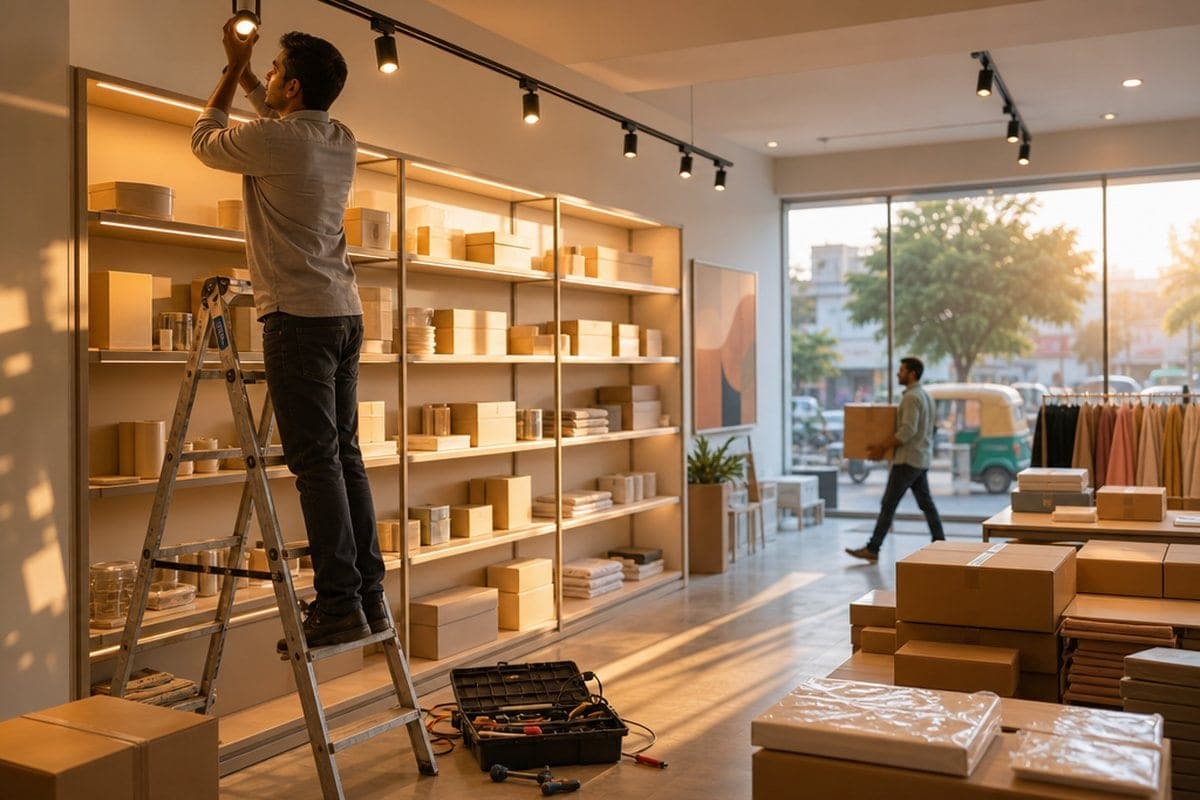
Think about the last time you walked into a retail store. What shaped your first impression? The cleanliness of the floors, the brightness of the lighting, the organization of the shelves — all of these details contribute to how a customer feels about a brand. In the competitive world of retail, where every interaction counts, a well-maintained store is a powerful business advantage.
Retail store maintenance and repair is often treated as an afterthought, but it directly influences customer experience, employee safety, and operational efficiency. A squeaky door, a flickering light, or a cluttered aisle can quietly erode trust and drive shoppers elsewhere.
In this guide, you will learn what retail store maintenance involves, what a comprehensive maintenance plan looks like, practical tips for keeping your store in top shape, and how expert partners can help you stay ahead.
What Is Retail Store Maintenance and Repair?
Retail store maintenance and repair refers to the planned and preventive activities that keep a store looking presentable, functioning smoothly, and safe for both employees and customers. It goes well beyond sweeping the floors. An effective maintenance and repair plan covers a wide range of tasks — from ensuring building infrastructure remains sound, to keeping point-of-sale systems operational, to maintaining exterior signage.
The goal is simple: create an environment where customers enjoy shopping and staff can work efficiently. When maintenance is consistent and proactive, stores avoid unexpected breakdowns, reduce safety hazards, and present a polished image that builds customer confidence.
What Does a Retail Store Maintenance and Repair Plan Include?
1. Cleanliness and Hygiene
Maintaining cleanliness should be a top priority. Regularly clean shelves, display cases, fitting rooms, and restrooms. Pay close attention to high-traffic areas such as entrances, checkout counters, and aisles. A clean store enhances the shopping experience and minimizes health and safety risks for everyone inside.
2. Visual Merchandising Upkeep
Keep visual merchandising displays ready for use between campaign changes. Alongside product presentation, inspect the fixture itself:
- Lighting and power: Report failed display lights, damaged wiring or faulty power points for technical inspection.
- Display security: Check locks, sensors and alarm pods, and report damaged or faulty units.
- Branding and graphics: Look for damaged acrylic or backlit panels, failed illumination, and peeling or faded vinyl.
- Surfaces and hardware: Inspect Sunmica and laminate finishes, doors, hinges and handles. Record what needs repair, refurbishment or replacement.
Use a consistent fixture maintenance checklist across stores. Record the location and photograph of each defect so the repair team can identify the affected part.
3. Functional Store Layout
Optimize your store layout to facilitate smooth customer flow and maximize space utilization. Ensure aisles are wide enough to accommodate foot traffic and products are positioned to encourage exploration. Regularly evaluate the layout based on customer feedback and staff observations to identify areas for improvement.
4. Equipment Maintenance and Repair
Properly functioning equipment is essential for smooth store operations. This includes HVAC systems, refrigeration units, escalators, elevators, POS terminals, and security systems. Implement a preventive maintenance schedule to inspect and service equipment on a regular basis. Address any issues promptly to avoid disruptions to daily operations.
5. Exterior Maintenance and Signage
Inspect the storefront sign while its lighting is switched on. Record dark letters, unlit panels, damaged graphics and loose fittings. Arrange a technical inspection for lighting faults, then check the illuminated sign after repair. A photograph taken with the sign switched off cannot confirm that its lights work.
The example below shows a storefront sign before and after work on its lighting. The first photograph shows the sign unlit; the second shows the branding illuminated.
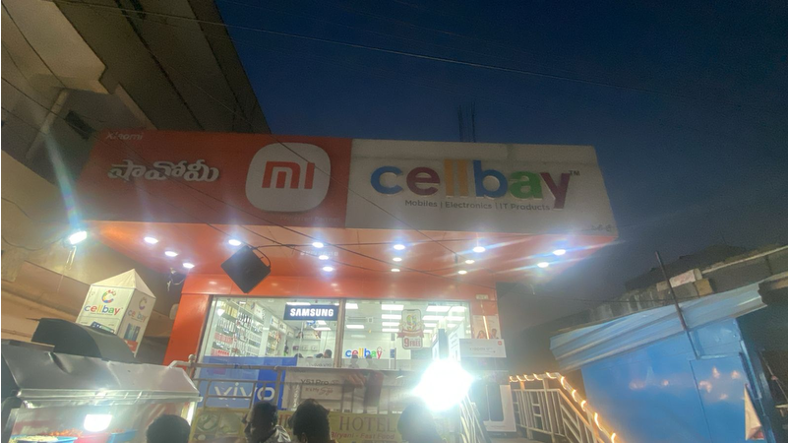

Keep sign surfaces clean and inspect them alongside their lighting and fixings. Learn more about the importance of signage maintenance in our dedicated guide.
6. Safety and Compliance
Routine safety checks are non-negotiable. Inspect fire extinguishers, emergency exits, electrical panels, and flooring for hazards. Ensure your store complies with local building codes and safety regulations. A proactive approach to safety protects your customers, your team, and your business.
Pro Tips for Maintaining Your Retail Store
- Create Detailed Checklists: Develop checklists for daily, weekly, monthly, and yearly maintenance tasks. This ensures nothing falls through the cracks and gives your team a clear structure to follow.
- Schedule Regular Inspections: Proactively schedule inspections for critical equipment and building systems rather than waiting for something to break down.
- Train Your Staff: Train employees to identify potential maintenance issues early and report them promptly. Frontline staff are often the first to notice problems.
- Track Each Repair: Record the store, affected asset, fault, assigned team and completion date in a maintenance ticket. Attach issue and completion photographs, and check the repaired item before closing the ticket. Review repeat faults when planning preventive visits.
- Prioritize Preventive Over Reactive: Preventive maintenance is almost always more cost-effective than emergency repairs. Investing in regular upkeep helps avoid unexpected downtime and expensive fixes.
Why Retail Store Maintenance Matters for Customer Experience
Customers form opinions about a store within seconds of walking through the door. A well-maintained store communicates professionalism, attention to detail, and respect for the shopper. On the other hand, visible wear and tear — peeling paint, broken fixtures, dim lighting — can signal neglect and push customers toward competitors.
Beyond first impressions, maintenance directly affects the shopping journey. Smooth-operating doors, comfortable temperatures, clean restrooms, and functioning checkout terminals all contribute to a seamless experience. When these elements work as expected, customers can focus on what they came for: finding and buying products.
For multi-location retail brands, consistency in store maintenance across all outlets is equally important. A customer who visits different branches expects the same standard of cleanliness and functionality everywhere.
How to Build a Retail Store Maintenance Strategy
Building a strong maintenance strategy does not have to be complicated, but it does require intentional planning. Here is a practical framework:
- Assess Your Current State: Walk through each store location and document every area that needs attention. Categorize issues by urgency — immediate fixes, short-term improvements, and long-term upgrades.
- Define Roles and Responsibilities: Assign clear ownership for maintenance tasks. In-house teams can handle daily upkeep, while specialized partners can manage technical repairs and large-scale projects.
- Set a Maintenance Calendar: Map out recurring tasks on a calendar. Daily tasks might include floor cleaning and display checks. Monthly tasks could cover HVAC filter changes and deep cleaning. Annual tasks might include repainting, fixture replacements, and full safety audits.
- Budget Appropriately: Allocate a dedicated maintenance budget rather than pulling funds from other areas when issues arise. Planning ahead ensures you have resources available when you need them.
- Partner with Experts: For complex or large-scale maintenance needs, working with an experienced partner saves time and ensures quality.
Conclusion
Retail store maintenance and repair is a foundational element of successful retail operations. It directly shapes how customers perceive your brand, how safely your team operates, and how efficiently your business runs day to day. A proactive, well-structured maintenance plan prevents costly surprises and keeps every location looking its best.
Key Takeaways:
- A comprehensive maintenance plan covers cleanliness, visual merchandising, layout, equipment, exterior upkeep, and safety compliance.
- Preventive maintenance is more cost-effective and reliable than waiting for things to break.
- Staff training and detailed checklists are essential for consistent store upkeep.
- Multi-location brands benefit from partnering with experienced maintenance providers for scalable, consistent results.
- Well-maintained stores build customer trust and encourage repeat visits.
Whether you manage a single location or a nationwide chain, investing in structured maintenance pays dividends in customer satisfaction, brand reputation, and long-term profitability.
