
Digital Signage in Retail: A Complete Guide to Implementation and Strategy


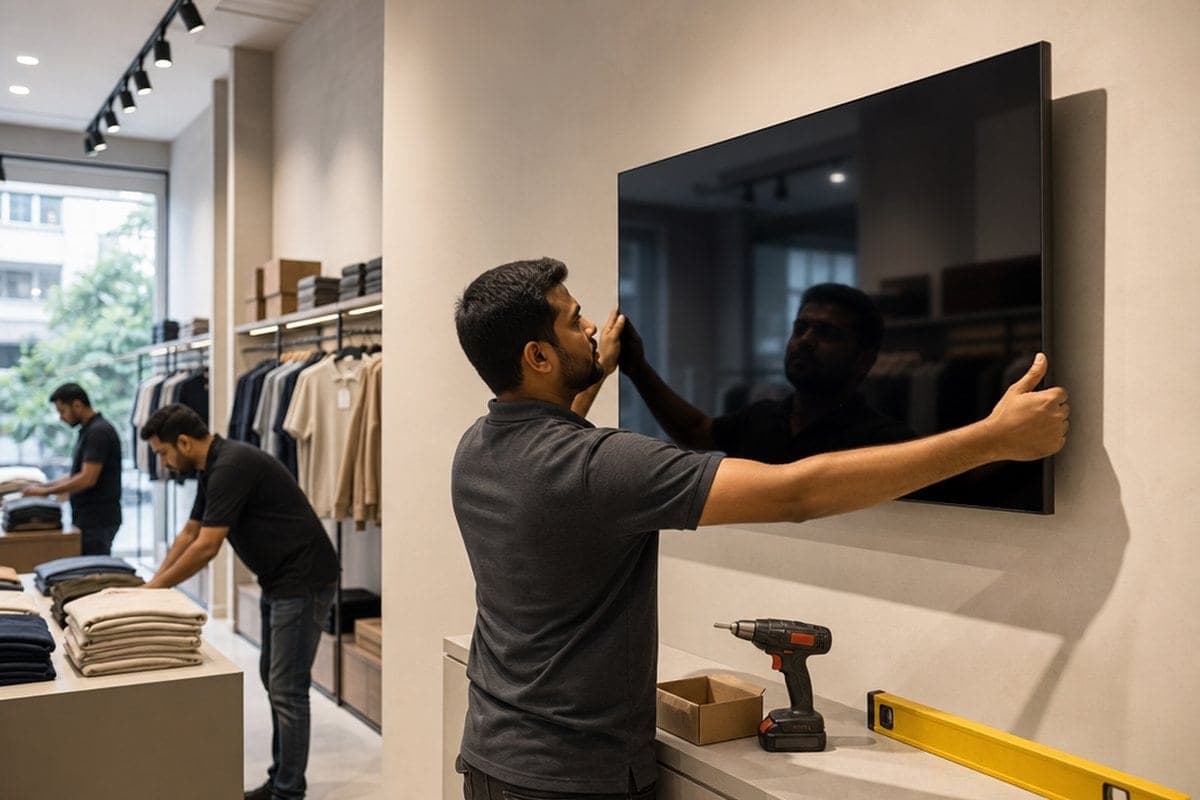
Walk into any well-designed retail store today and you will likely be greeted by vibrant digital screens showcasing the latest promotions, interactive product catalogues, or real-time wayfinding information. Digital signage has become a core element of the modern retail environment, replacing static posters and printed banners with dynamic, updatable visual content.
For retailers looking to strengthen customer engagement, streamline in-store communication, and create memorable shopping experiences, digital signage offers a powerful and scalable solution. This guide covers everything you need to know -- from what digital signage is and how it works, to implementation strategies, common pitfalls, and how Channelplay can help you get it right.
What is Digital Signage?
Digital signage refers to the use of electronic displays -- such as LCD, LED, OLED, or projection screens -- to present dynamic visual content in physical spaces. In a retail context, this content typically includes:
- Product information: Pricing, specifications, availability updates
- Promotional content: Video advertisements, animated graphics, seasonal campaigns
- Interactive experiences: Touchscreen interfaces, AR-enabled product try-ons, QR code integrations
- Wayfinding and navigation: Store maps, department directories, queue management displays
Unlike traditional static signage, digital displays can be updated in real time, personalised based on time of day or audience, and managed centrally across multiple locations from a single platform.
Key Components of a Digital Signage System
A successful digital signage deployment relies on three essential components working together seamlessly:
1. Hardware Infrastructure
The physical components form the foundation of any digital signage setup:
- Displays: LCD, LED, and OLED screens selected based on environment (indoor vs outdoor), viewing distance, and ambient lighting conditions
- Media players: Standalone, integrated, or cloud-based devices that process and deliver content to the screens
- Mounts and enclosures: Wall-mounted, ceiling-hung, or freestanding installations with appropriate protection for outdoor or high-traffic locations
2. Software Platform
The software layer manages and distributes content across your signage network:
- Content Management System (CMS): Centralised control for creating, scheduling, and distributing content across multiple displays and locations
- Analytics dashboard: Monitoring tools for tracking uptime, content playback, and audience engagement patterns
- Integration APIs: Connectivity with POS systems, inventory management platforms, and CRM tools for data-driven content delivery
3. Content Strategy
Even the best hardware and software will underperform without a well-planned content approach:
- Visual content: High-resolution videos, animations, and product imagery optimised for different screen sizes and orientations
- Interactive elements: Touch-enabled interfaces, QR code integrations, and mobile app connectivity
- Scheduled programming: Content calendars aligned with business hours, seasonal campaigns, and promotional cycles
Types of Digital Signage in Retail
Retailers deploy digital signage in various formats, each suited to specific use cases and customer touchpoints:
Interactive Kiosks
Self-service kiosks with touchscreen displays enable customers to browse product catalogues, check inventory availability, place orders, and process payments independently. They are particularly effective in high-traffic environments where reducing wait times and empowering self-service are priorities.
Digital Menu Boards
Commonly found in food courts, quick-service restaurants, and cafeterias within retail spaces, digital menu boards allow for:
- Dynamic pricing: Real-time updates based on inventory or time-of-day
- Nutritional information: Ingredient lists, allergen warnings, and dietary details
- Upselling prompts: Automated suggestions for complementary items or meal upgrades
Video Walls
Large-format video walls made up of multiple tiled displays create immersive visual experiences. They are ideal for flagship stores, brand experience centres, and high-visibility areas where maximum visual impact is required. Configurations range from simple 2x2 arrays to expansive custom layouts.
Shelf-Edge Displays
Electronic shelf labels (ESLs) and small-format shelf-edge screens bring digital capabilities directly to the point of purchase:
- Instant price updates: Centralised price changes across all locations without manual label replacement
- Product information: Specifications, reviews, and comparison data right at the shelf
- Promotional alerts: Flash sales and limited-time offers displayed at the point of decision
Benefits of Digital Signage in Retail
When implemented strategically, digital signage delivers measurable value across several dimensions of a retail business:
Enhanced Customer Engagement
Dynamic visual content naturally draws attention more effectively than static print. Digital displays allow retailers to present eye-catching promotions, product demonstrations, and interactive experiences that keep shoppers engaged and informed throughout their in-store journey.
Real-Time Content Updates
One of the most significant advantages over traditional signage is the ability to update content instantly across all locations. Whether launching a new promotion, adjusting pricing, or responding to inventory changes, digital signage eliminates the delays and costs associated with printing and distributing physical materials.
Operational Efficiency
Centralised content management reduces the manual effort required for price updates, promotional changeovers, and seasonal refreshes. Retailers can schedule content in advance, automate dayparting strategies, and manage hundreds of screens from a single dashboard.
Improved In-Store Navigation
Wayfinding displays help customers locate departments, products, and services within large retail spaces, reducing frustration and improving the overall shopping experience. Queue management displays also help set expectations and reduce perceived wait times at checkout.
Data-Driven Personalisation
With integration into analytics and CRM platforms, digital signage can deliver targeted content based on factors such as time of day, weather conditions, foot traffic patterns, and customer demographics -- making every message more relevant.
Implementation Strategies for Retail Digital Signage
A structured approach ensures your digital signage investment delivers the intended results. Here is a practical three-phase framework:
Phase 1: Strategic Planning
- Define objectives: Clarify what you want to achieve -- whether it is increasing product awareness, reducing perceived wait times, improving navigation, or driving promotional uptake
- Audience analysis: Understand your customer demographics, shopping patterns, and peak traffic periods to inform content and placement decisions
- Content strategy: Develop brand guidelines, message hierarchy, update frequency, and a content calendar aligned with your marketing roadmap
- Technology selection: Choose hardware, software, and integration specifications based on your environment, scale, and budget
Phase 2: Deployment and Installation
- Site survey: Assess power availability, network infrastructure, ambient lighting, mounting locations, and viewing angles at each site
- Professional installation: Engage certified technicians for safe, compliant, and visually clean installations
- Content creation: Develop launch content that aligns with your brand guidelines and is optimised for each screen format
- System integration: Connect signage with POS, inventory, and analytics platforms for data-driven content delivery
- Staff training: Equip your team with the skills to manage content, troubleshoot issues, and monitor performance
Phase 3: Optimisation and Ongoing Management
- Performance monitoring: Track engagement metrics, content playback reports, and uptime across your signage network
- Content refresh: Regularly update content based on performance data, seasonal changes, and promotional cycles
- Maintenance schedule: Implement preventive maintenance routines including software updates, hardware inspections, and screen cleaning
- Scaling plan: Identify opportunities to expand the signage network to new locations, departments, or display formats
Common Mistakes to Avoid
Even well-intentioned digital signage projects can fall short if common pitfalls are not addressed early. Here are the key areas to watch:
Placement and Design Errors
- Poor location selection: Screens placed in high-glare areas or at awkward viewing angles lose their impact. Always conduct a site survey before installation.
- Inadequate brightness: Indoor screens typically require 300-500 nits, while outdoor screens need 2,500+ nits to remain visible in daylight.
- Cluttered content: Overloading a screen with text and images reduces readability. Keep messaging concise and visually clean.
Content and Strategy Gaps
- Stale content: Failing to refresh content regularly causes displays to become background noise. Plan for frequent updates.
- Generic messaging: Content that is not tailored to the specific location, audience, or time of day misses opportunities for relevance.
- No content calendar: Without a planned schedule, content updates become reactive and inconsistent.
Technical and Operational Oversights
- Insufficient network bandwidth: Content delivery, especially video, requires reliable connectivity. Test bandwidth before rollout.
- No remote management: Without cloud-based CMS capabilities, managing screens across multiple locations becomes labour-intensive.
- Skipping staff training: Ensure the team on the ground knows how to operate, troubleshoot, and escalate issues with the system.
Emerging Trends in Digital Signage
The digital signage landscape continues to evolve as new technologies mature and retailer expectations grow. Here are the key trends shaping the future:
AI-Powered Content Delivery
Artificial intelligence is enabling signage systems to analyse audience data in real time and deliver personalised content. AI-driven platforms can adjust messaging based on detected demographics, foot traffic density, and even weather conditions -- making every display interaction more relevant.
Augmented Reality Integration
AR-enabled signage is gaining traction in fashion, cosmetics, and furniture retail. Virtual try-on mirrors, 3D product visualisations, and interactive AR overlays create engaging experiences that bridge the gap between physical and digital shopping.
Sustainability-Focused Solutions
Energy-efficient LED technology, solar-powered outdoor displays, and the elimination of printed promotional materials are helping retailers reduce their environmental footprint while maintaining strong in-store communication.
Mobile and IoT Integration
Digital signage is increasingly connecting with mobile devices and IoT sensors. Beacon-triggered notifications, QR code interactions, and voice-activated displays create seamless, multi-channel customer experiences that extend beyond the screen.
Conclusion
Digital signage has evolved from a novelty to a core component of modern retail environments. It enables retailers to communicate dynamically with customers, update content instantly across locations, and create engaging in-store experiences that static signage simply cannot match.
Key Takeaways:
- Digital signage replaces static print with dynamic, updatable, and interactive visual content that can be managed centrally
- Successful implementation requires a balance of the right hardware, a robust software platform, and a well-planned content strategy
- Common formats include interactive kiosks, digital menu boards, video walls, and shelf-edge displays -- each suited to different retail use cases
- Avoiding common mistakes such as poor placement, stale content, and insufficient network infrastructure is essential for maximising ROI
- Emerging trends like AI-powered personalisation, AR integration, and IoT connectivity are opening new possibilities for in-store engagement
- A structured implementation approach -- from planning through deployment to ongoing optimisation -- ensures sustained results
The right digital signage partner can make all the difference. With strategic planning, professional execution, and ongoing support, digital signage becomes a powerful tool for driving customer engagement, operational efficiency, and business growth.
