


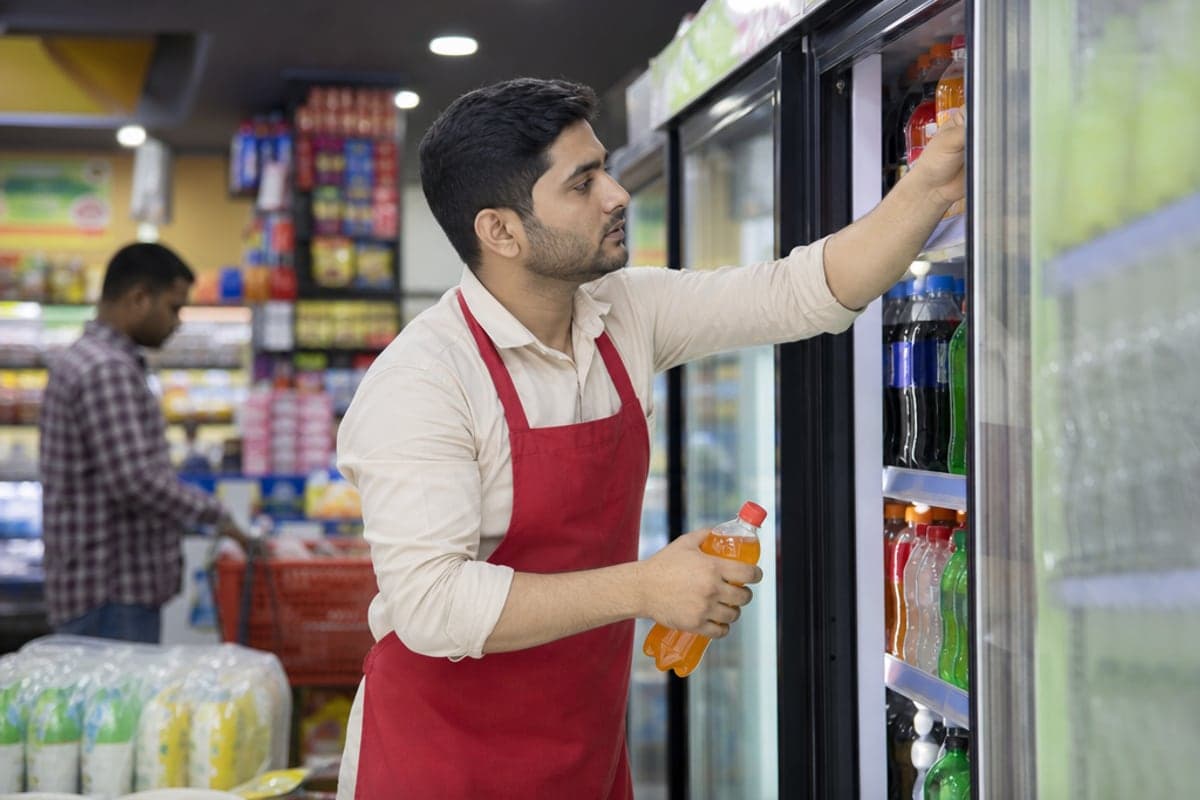
Have you ever walked into a store and been immediately drawn to a particular product display? Or found yourself navigating a retail space with surprising ease, thanks to a clear and thoughtfully organised layout? That experience is no accident. It is the result of skilled visual merchandising at work.
A visual merchandiser plays a critical role in shaping the in-store shopping experience. From selecting the right products for displays to designing store layouts and managing how inventory is presented, their work directly influences how customers interact with a brand. Their strategic vision and creative abilities transform brick-and-mortar spaces into engaging environments where discovery and satisfaction drive purchasing decisions.
In this post, we explore who a visual merchandiser is, what their core responsibilities look like, and why brands increasingly choose to outsource this function to specialised agencies.
Who Is a Retail Visual Merchandiser?
A retail visual merchandiser is part storyteller, part strategist. They combine creative skills with data-driven insights to make brands stand out in physical retail environments. Their job is to arrange products, design displays, and manage store aesthetics in a way that captures shopper attention and encourages purchases.
Visual merchandisers work at the intersection of marketing, design, and retail operations. They ensure that every element inside a store, from product placement to signage and lighting, aligns with the brand's identity and speaks to the target customer. In short, they are the professionals who make sure a store looks compelling and functions effectively.
What Are the Key Responsibilities of a Visual Merchandiser?
The role of a visual merchandiser spans several areas of retail operations. Here are the core responsibilities that define the position.
1. Visual Display Implementation
Visual merchandisers execute display plans and strategies, often working from guidelines set by a Visual Merchandising Manager or the brand itself. This includes setting up and dismantling in-store displays, window displays, and promotional setups. Every visual element must be current, creatively designed, and aligned with ongoing campaigns or seasonal themes.
2. Store Presentation and Layout
Maintaining visual standards throughout a store is a continuous effort. Visual merchandisers regularly update displays to reflect new product launches, seasonal themes, and promotional activities. They arrange product layouts to maximise visual appeal and optimise the use of available retail space, ensuring the store always presents a clean and organised appearance.
3. Collaboration and Communication
Visual merchandisers work closely with store managers and staff to coordinate merchandising efforts. They communicate display plans and any changes effectively to store teams. In many cases, they also provide training and guidance to store personnel on how to maintain visual standards between formal merchandising visits.
4. Performance Monitoring
Beyond setting up displays, visual merchandisers monitor and report on the effectiveness of their initiatives. They conduct regular store walkthroughs to check compliance with visual merchandising standards and provide feedback for future improvements.
5. Brand Alignment
Every visual element inside a store must adhere to the brand's guidelines. Visual merchandisers ensure consistency across all touchpoints, from signage and colour schemes to product placement and POSM (Point of Sale Materials) deployment. This consistency builds brand recognition and trust among customers.
Outsourcing vs. In-House Visual Merchandising
When it comes to visual merchandising in retail, businesses face a fundamental decision: handle the function in-house or outsource it to a specialised service provider. Each approach has its own benefits, and the right choice depends on factors such as the company's size, available resources, existing expertise, and strategic objectives.
In-house teams offer direct control and close brand familiarity. However, building and maintaining such a team requires ongoing investment in hiring, training, and management. For brands operating across multiple locations or geographies, scaling an in-house team can become a significant operational challenge.
Outsourcing, on the other hand, provides access to specialised expertise without the overhead of a permanent team. It offers flexibility to scale operations up or down based on seasonal needs or campaign cycles. For many brands, this approach proves to be a more efficient and effective way to manage visual merchandising at scale.
Why Outsource Visual Merchandising Services?
Outsourcing visual merchandising to a dedicated agency brings several advantages that can strengthen a brand's retail presence.
- Access to Specialised Expertise: Professional visual merchandising agencies employ teams that focus exclusively on this discipline. They bring deep knowledge of industry best practices, current design trends, and proven strategies that deliver results across retail environments.
- Cost Efficiency: Partnering with an external provider allows brands to avoid the overhead costs associated with recruiting, training, and managing a full-time in-house visual merchandising team, while still receiving high-quality execution.
- Flexibility and Scalability: Outsourced partners can quickly adapt to changing demands, whether it is scaling up for a festive season or adjusting display strategies for a new product launch. This agility is difficult to match with fixed internal resources.
- Focus on Core Competencies: By entrusting visual merchandising to specialists, brands can redirect their internal resources towards product development, marketing strategy, and other core business functions.
What to Look for in a Visual Merchandising Partner
Not every provider delivers the same standard of execution. When assessing a visual merchandising agency, four capabilities tend to separate consistent performers from the rest.
- Deep Retail Knowledge: Teams with experience across product categories and retail formats can build customised strategies that align with a brand's identity and business objectives, instead of applying one template everywhere.
- Technology-Driven Execution: Real-time reporting, data analysis, and performance tracking give brands the visibility to make informed decisions and improve merchandising outcomes over time.
- Scalable and Flexible Services: Support should stretch from a single campaign to ongoing management across multiple locations without changing partner.
- End-to-End Support: Concept development, execution, and performance monitoring handled together keeps merchandising consistent across every retail touchpoint.
Quality control deserves particular scrutiny. Strong programmes define Key Performance Indicators with quality checks at every stage, covering everything from POSM deployment accuracy to visual planogram adherence, and back them with rigorous training and thorough post-execution reviews, including detailed before-and-after image analysis. That is what keeps every store meeting the brand's standards consistently.
Conclusion
Visual merchandisers play a vital role in shaping how customers experience a retail store. From designing eye-catching displays to ensuring brand consistency across locations, their work directly influences shopper engagement and purchasing behaviour. For brands looking to maintain a strong and consistent in-store presence, partnering with a specialised visual merchandising agency can be a strategic advantage.
Key Takeaways:
- Visual merchandisers are responsible for display implementation, store presentation, brand alignment, and performance monitoring.
- Outsourcing visual merchandising provides access to specialised expertise, cost efficiency, and the flexibility to scale operations as needed.
- Channelplay offers end-to-end visual merchandising solutions backed by proprietary technology, rigorous quality checks, and deep retail experience.
- Quality control, including planogram adherence and POSM accuracy, is essential for consistent brand execution across retail locations.
If your brand is looking to strengthen its retail presence and create engaging in-store experiences, working with a dedicated visual merchandising partner can help you achieve consistent, high-quality results at scale.
